Understanding Engineered Composites and GRP Products
In today's rapidly advancing industrial landscape, the demand for durable and sustainable materials is constantly increasing. One such material that has gained significant attention is Glass Reinforced Plastic (GRP). As a leading GRP manufacturer in the UK, Engineered Composites has established itself as a key player in manufacturing high-quality GRP products that cater to various industries. With over 40 years of experience, we prioritize innovation and excellence to deliver superior solutions that meet the rigorous demands of our clients.
What are Engineered Composites?
Engineered composites are advanced materials formed by combining two or more distinct components that create a material with enhanced properties. These composites typically consist of a matrix (often a polymer) reinforced with fibers (like glass or carbon). The resulting material exhibits superior strength, lightweight characteristics, and resistance to various environmental factors, making it suitable for diverse applications.
The Role of GRP in Modern Manufacturing
GRP is a specific type of engineered composite that utilizes glass fibers in a resin matrix. It has emerged as a preferred choice in various sectors, including construction, marine, telecommunications, and transportation. The versatility of GRP allows for its use in products such as panels, beams, grating, and profiles, delivering robust solutions tailored to specific industry requirements.
Key Characteristics of Quality GRP Products
- Lightweight: GRP products can be up to 70% lighter than steel, facilitating easier handling and installation.
- Corrosion Resistance: GRP is highly resistant to chemicals and environmental degradation, extending its lifespan and reliability.
- Non-Conductive: The insulating properties of GRP make it a preferred choice in electrical applications, minimizing safety risks.
- Low Maintenance: Unlike traditional materials, GRP does not require regular painting or anti-rust treatments, reducing long-term maintenance costs.
The Advantages of Choosing GRP Over Traditional Materials
Comparing GRP with Steel and Aluminium
When considering materials for construction or manufacturing, GRP stands out against steel and aluminium for several reasons:
- Weight: GRP's lightweight nature allows for less structural support during installation, which can lead to cost savings in both materials and labor.
- Durability: GRP is resistant to rust, corrosion, and UV degradation, outperforming steel and aluminium in harsh environments.
- Cost Efficiency: Although the initial costs may be comparable, GRP's longevity and minimal maintenance needs contribute to lower lifecycle costs.
Long-Term Durability and Minimal Maintenance
One of the primary advantages of GRP is its long service life. GRP products from Engineered Composites are designed to last over 50 years with minimal maintenance. The material does not corrode or degrade over time, which significantly reduces replacement costs. Regular maintenance typically only requires occasional cleaning, making GRP an exceptionally economical choice for industries requiring reliable materials.
Cost-Effectiveness and Sustainability Benefits
In addition to its durability, GRP also offers sustainability advantages. The manufacturing process for GRP uses up to 75% less energy compared to traditional materials like steel. Furthermore, many of our products can be repurposed or recycled at the end of their lifecycle, adhering to modern engineering sustainability goals, such as those outlined by BREEAM and LEED.
Applications and Suitability of GRP in Various Industries
GRP in Construction and Infrastructure
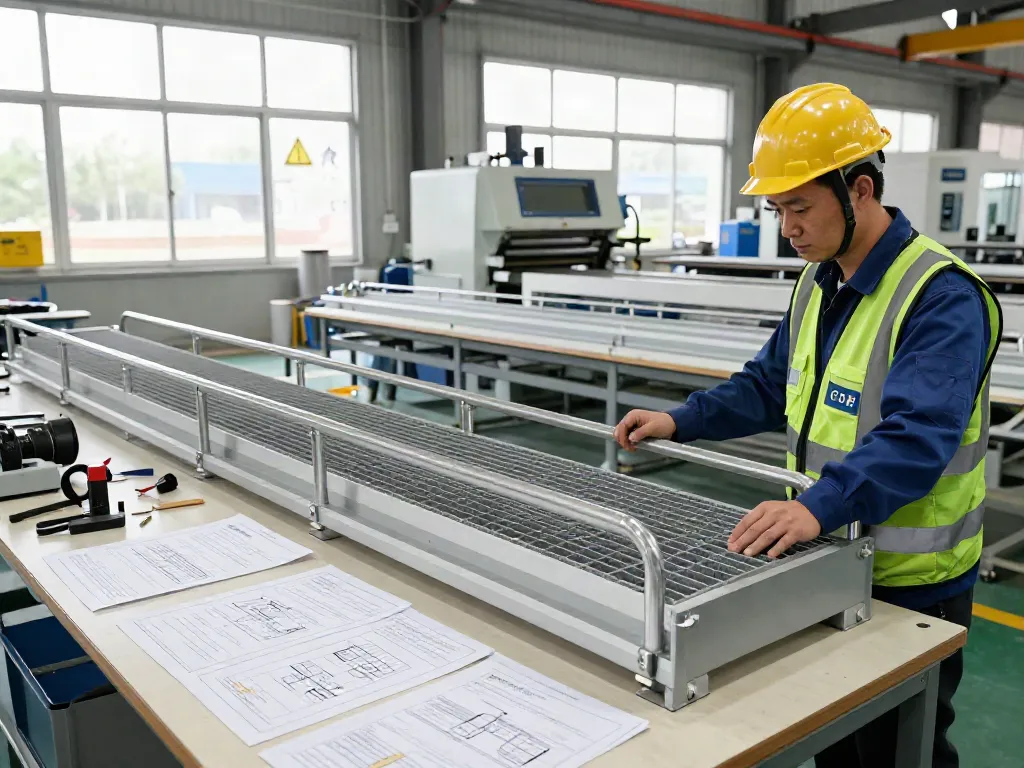
Engineered Composites provides a wide array of GRP products specifically designed for the construction sector. GRP gratings, walkways, and handrails are just a few examples of the solutions we offer. These products meet BS EN 13706 performance standards, ensuring they fulfill the rigorous demands of infrastructure projects while enhancing safety and functionality.
Marine and Chemical Industry Applications
Due to its exceptional resistance to water, chemicals, and UV exposure, GRP is a preferred material in marine environments. Products such as GRP fenders and decking can withstand the harshest conditions, making them ideal for docks, piers, and other marine applications. Additionally, chemical plants benefit from GRP's non-reactive nature, ensuring operational safety.
Telecommunications and Utility Uses
In the telecommunications and utility sectors, GRP's lightweight and insulating properties make it perfect for cable trays and protective structures. Its durability allows these systems to operate effectively without the risks associated with rust or decay, providing long-term reliability for essential services.
Quality Assurance in GRP Manufacturing
Standards and Certifications for GRP Products
At Engineered Composites, quality assurance is a cornerstone of our manufacturing process. Our GRP products are crafted to meet or exceed rigorous standards, including BS EN 13706 and ISO 9001 certifications. This commitment to quality ensures that every product we supply is reliable, safe, and compliant with industry regulations.
Testing and Compliance Procedures
We employ comprehensive testing procedures to affirm the structural integrity and safety of our GRP products. Each item undergoes testing for fire resistance, tensile strength, and dimensional accuracy, ensuring that they perform to the highest standard in various applications.
Choosing a Reliable GRP Supplier
Selecting a seasoned supplier is crucial for ensuring that the GRP materials meet project requirements. Engineered Composites has established a reputation as a leading UK GRP manufacturer, backed by over four decades of industry experience and a track record of exemplary service and product reliability.
Getting Started with Engineered Composites
How to Request a Quotation
Getting started with Engineered Composites is easy. For a no-obligation quotation, simply reach out to our expert sales team. We provide quick turnaround times for quotes—typically within an hour—enabling you to make timely decisions for your projects.
Best Practices for Specifying GRP Products
When specifying GRP products, it is essential to detail your project's requirements accurately. This includes dimensions, load-bearing capacities, environmental conditions, and specific compliance needs. By providing comprehensive information, we ensure that you receive tailored solutions that meet your exact specifications.
Future Trends in Engineered Composites for 2026
The GRP manufacturing industry is continuously evolving, with trends pointing towards increased customization, better recycling methods, and integration with smart technologies. As we advance towards 2026, Engineered Composites is poised to lead in innovation, providing cutting-edge solutions that align with contemporary demands for efficiency and sustainability.
What types of GRP products are supplied?
Engineered Composites offers an extensive range of GRP products, including gratings, profiles, handrails, fencing, flooring, walkways, and anti-slip solutions tailored for diverse applications across various sectors.
Are GRP materials suitable for outdoor use?
Yes, GRP materials from Engineered Composites are specifically designed for outdoor applications. They feature UV stabilization and chemical resistance, making them ideal for exposure to harsh weather conditions and environmental elements.
What maintenance do GRP products require?
GRP products require minimal maintenance, typically only needing occasional cleaning with mild detergent. Unlike metal counterparts, they do not rust or corrode, significantly reducing upkeep costs over time.