The Evolution of CNC Machining Services
Since its inception, CNC (Computer Numerical Control) machining has significantly transformed the manufacturing landscape. This technology has paved the way for enhanced precision and efficiency in producing intricate components across various industries. As a precision cnc machining supplier, Honscn has been at the forefront of these advancements since 2003, providing tailored solutions to meet market demands.
Understanding CNC Machining Basics
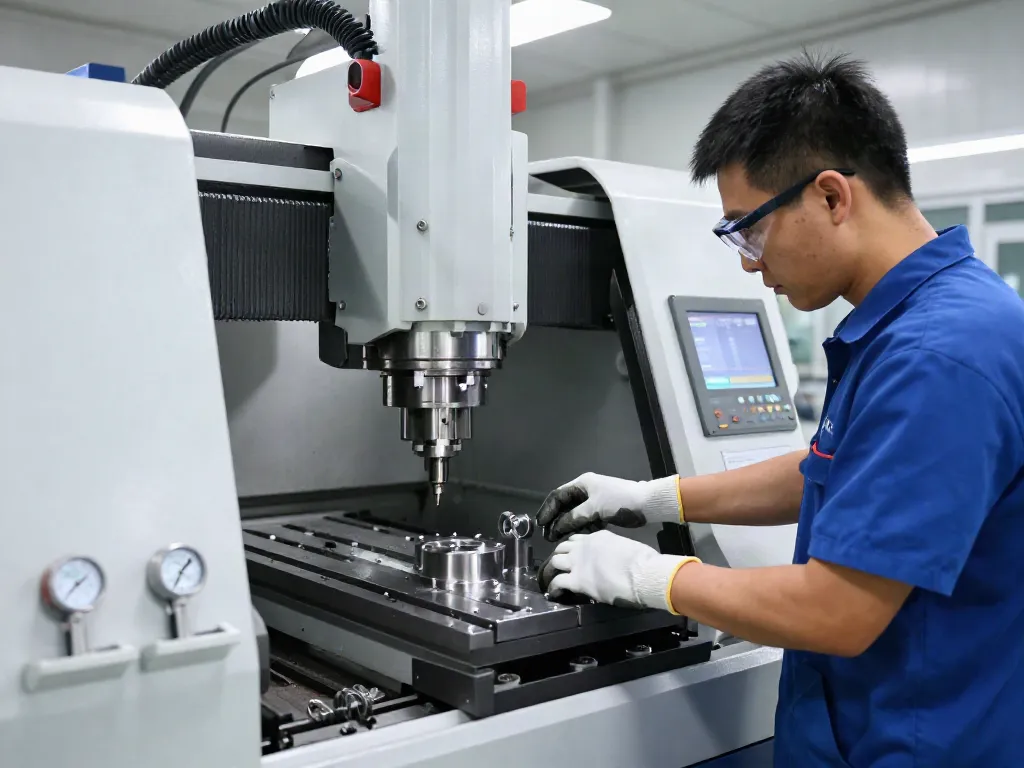
CNC machining employs computer systems to automate the operation of machine tools. It utilizes pre-programmed software to dictate the movement of factory tools and machinery, significantly enhancing the accuracy and speed of manufacturing. By inputting design codes, CNC machines can produce parts with minimal human intervention, reducing the risk of errors and waste.
Historical Advances in Precision Machining
The journey of CNC machining dates back to the 1940s when the first numerical control prototypes were developed. These early systems used punched tape to control machine movement. Over the decades, rapid advances in computing power and software led to more sophisticated and reliable CNC systems, evolving into the high-precision machines we rely on today. The introduction of 3D modeling software and real-time simulation has further refined the CNC machining process, making it accessible for industries ranging from aerospace to medical manufacturing.
Industry Impact on Manufacturing Processes
The impact of CNC machining on manufacturing processes cannot be overstated. By enabling mass customization and reducing lead times, companies can respond to consumer demands more effectively. The flexibility and scalability of CNC machining allow manufacturers to adapt to changing market conditions and innovate their product lines, thereby gaining a competitive edge. CNC technology has also fostered collaboration between design and production teams, streamlining the workflow and enhancing productivity.
High Precision Machining: Techniques and Technologies
Achieving high precision in machining requires not only advanced technology but also a deep understanding of various techniques. In this section, we will explore some of the methodologies that contribute to precision CNC machining and how they enhance the quality of manufactured parts.
Overview of Advanced CNC Technologies
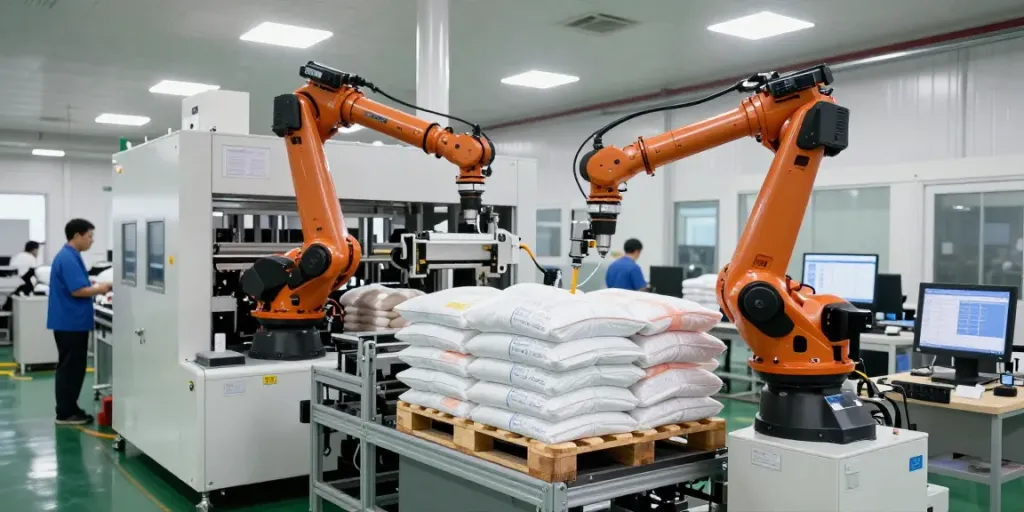
Modern CNC machines are equipped with state-of-the-art technologies such as multi-axis capabilities and advanced tooling systems. Multi-axis CNC machining allows for greater complexity and contouring, enabling the production of intricate geometries that were previously unachievable. High-speed machining technology also enhances productivity by reducing cycle times without compromising accuracy. Moreover, the incorporation of automation and robotics in CNC machining facilities has improved overall efficiency and safety.
Comparative Analysis of Machining Techniques
Different machining techniques offer unique advantages depending on the application. For example, CNC milling is ideal for flat surfaces and detailed designs, while CNC turning is better suited for cylindrical components and parts needing precise rotational symmetry. Each technique utilizes specific tools and cutting methods, thus tailoring the manufacturing process to achieve optimal results.
Best Practices for Maximizing Precision
To maximize precision in CNC machining, manufacturers should employ several best practices:
- Regular Calibration: Ensuring that machines are calibrated correctly helps maintain accuracy over time.
- Quality Materials: Using high-quality raw materials reduces variations during machining.
- Computer-Aided Design (CAD): Investing in advanced CAD software allows for precise modeling of parts before fabrication.
- Skilled Workforce: Training staff to understand the intricacies of CNC programming and operation is vital for maintaining precision.
Quality Assurance in CNC Machining
Quality assurance is a critical component of CNC machining that ensures the final product meets specified standards and tolerances. As a leading manufacturer, Honscn places great emphasis on quality control throughout the machining process.
Importance of Quality Control Measures
Implementing quality control measures not only enhances product reliability but also minimizes costly reworks and defects. By establishing rigorous testing and inspection protocols, manufacturers can identify potential issues early in the production cycle and take corrective action.
Common Challenges in Ensuring Quality
Despite the advancements in CNC technology, challenges in maintaining quality persist. Variability in raw materials, machine wear, and operator errors can lead to inconsistencies in manufactured parts. To combat these challenges, manufacturers must adopt a proactive approach to quality management, incorporating statistical process control to analyze production data and identify trends.
Effective Strategies for Quality Improvement
To enhance quality assurance in CNC machining, consider the following strategies:
- Implement continuous improvement programs to foster a culture of quality.
- Utilize advanced inspection techniques, such as laser scanning or coordinate measuring machines (CMM), to verify part dimensions.
- Engage in root cause analysis to address recurring quality issues effectively.
- Maintain clear communication with clients regarding quality expectations and specifications.
Case Studies: Successful Implementations
Examining real-world examples of CNC machining can provide valuable insights into best practices and successful strategies.
Real-World Example of Precision Machining
A notable case is that of a leading aerospace company that partnered with Honscn to produce critical engine components. By leveraging advanced CNC machining techniques and stringent quality control measures, they achieved a significant reduction in lead times while maintaining the required tolerances for safety-critical parts.
Client Success Stories in Manufacturing
Honscn's collaboration with a medical device manufacturer also highlights the benefits of precision machining. The company needed custom components for their diagnostic equipment, and Honscn delivered high-quality parts that improved the functionality and reliability of the final product, leading to increased customer satisfaction.
Lessons Learned from Industry Leaders
These case studies emphasize the importance of adopting a holistic approach to machining that integrates advanced technology, skilled labor, and effective quality management systems. By learning from these successful implementations, other manufacturers can enhance their operational efficiency and product quality.
Future Trends in CNC Machining
The CNC machining industry is on the brink of transformation as new technologies and market dynamics emerge. Staying abreast of these trends is crucial for manufacturers looking to maintain a competitive edge.
Emerging Technologies in 2026 and Beyond
As we look toward the future, technologies like artificial intelligence and machine learning are set to revolutionize CNC machining. These innovations can optimize programming, enhance predictive maintenance, and improve workflow automation, leading to smarter manufacturing processes.
Predicted Changes in Market Dynamics
The demand for personalized products will continue to rise, prompting manufacturers to adopt flexible and agile machining solutions. As industry standards evolve, companies must be prepared to meet new regulatory requirements, especially in sectors like aerospace and medical manufacturing.
Preparing for the Future of Precision Machining
To prepare for these changes, manufacturers should invest in upskilling their workforce, embracing digital transformation, and fostering an innovative culture. Continuous research and development will be essential to staying ahead of the curve.
What Challenges Will CNC Suppliers Face?
While the future appears promising, CNC suppliers will face challenges such as supply chain disruptions, increasing production costs, and the need for sustainable practices. Overcoming these challenges will require strategic planning and adaptability.
How Will Technology Shape Machining Processes?
Technological advancements will continue to refine machining processes, enhancing precision, reducing waste, and driving down costs. By leveraging data analytics, manufacturers can gain insights into machine performance, leading to more informed decision-making.
What Innovations Can We Expect from CNC Machining?
Future innovations may include advanced materials and techniques such as additive manufacturing integration with traditional CNC processes. These advancements will further push the boundaries of what is possible in precision machining, enabling manufacturers to produce complex geometries with enhanced properties.