Understanding Glass Cutting Technologies
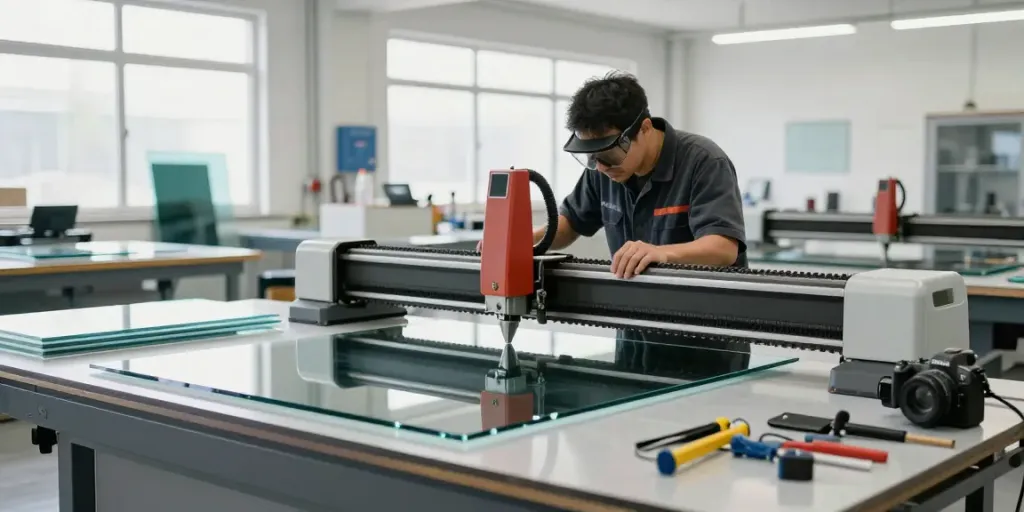
Glass cutting technology has evolved significantly over the years, enhancing both precision and efficiency in the manufacturing process. As a leading glass cutting machine manufacturer, Eworld Machinery recognizes the importance of these advancements in meeting modern industry demands. The development of cutting machines has seen a shift from manual methods to automated systems, allowing for greater output and accuracy. This article will explore the evolution of glass cutting machines, key technologies that define the industry, and the benefits of automating glass cutting processes.
The Evolution of Glass Cutting Machines
The history of glass cutting machines can be traced back to the 19th century when hand tools were primarily used for cutting glass sheets. These early tools relied on manual labor, which often resulted in inconsistent quality and productivity challenges. However, as technology advanced, the introduction of electric and pneumatic tools revolutionized the industry, allowing for faster and more precise cutting.
In the late 20th century, the incorporation of computer numerical control (CNC) technology marked a significant milestone. CNC glass cutting machines enable operators to program complex cutting patterns with high accuracy, thereby reducing waste and increasing efficiency. Today, manufacturers like Eworld Machinery offer state-of-the-art CNC glass cutting machines that cater to diverse industrial applications, from automotive to architectural uses.
Key Technologies in Glass Cutting Manufacturing
Modern glass cutting technologies leverage various innovative processes to enhance performance. Some of the key technologies include:
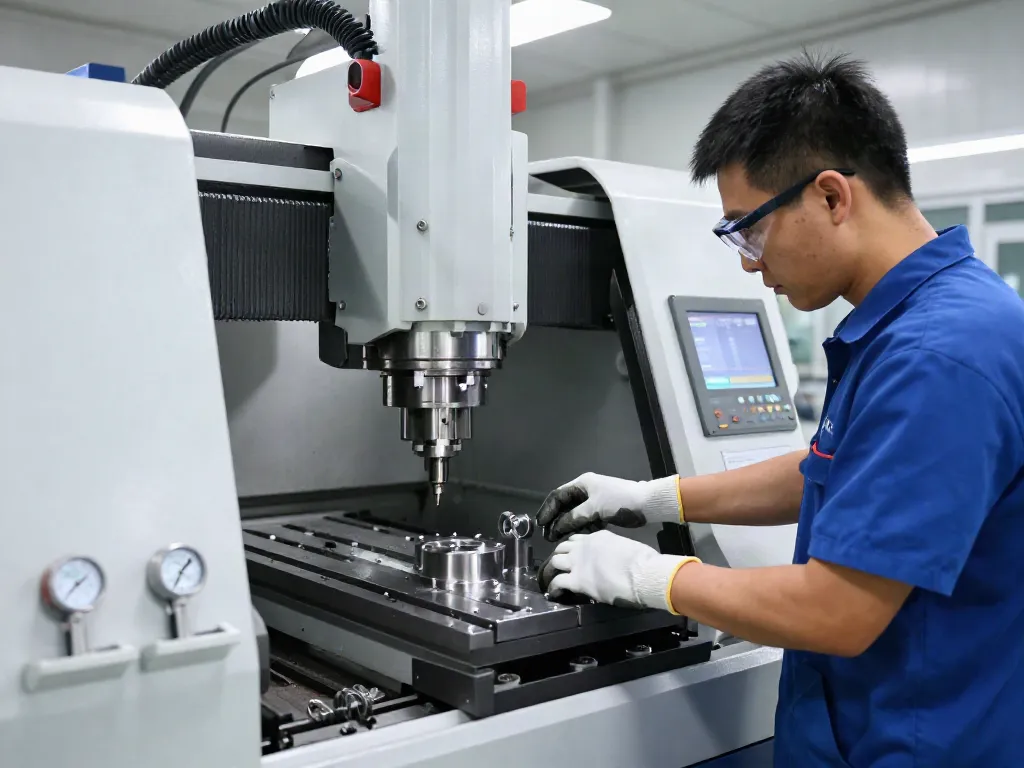
- CNC Cutting: Computerized systems that automate the cutting process, providing intricate cutting paths and higher precision.
- Waterjet Cutting: Utilizes high-pressure water jets to make clean cuts without affecting the integrity of the glass.
- Laser Cutting: Employs focused laser beams to produce precise cuts, ideal for intricate designs.
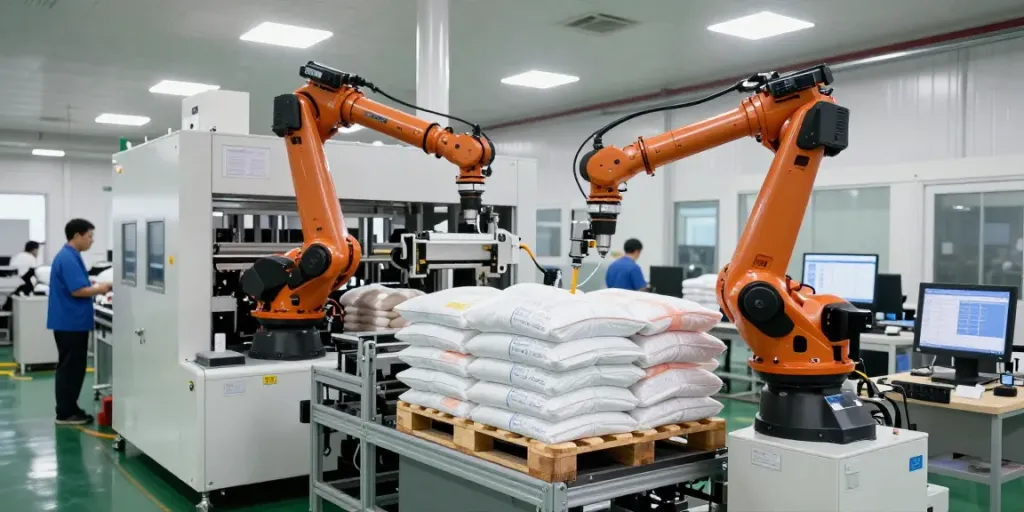
- Robotic Cutting: Integrates robotics to automate cutting and handling, improving speed and safety in production lines.
Each of these technologies has unique advantages, helping manufacturers streamline operations and minimize costs while maintaining quality.
Benefits of Automated Glass Cutting Systems
Automating glass cutting systems presents numerous benefits, including:
- Increased Efficiency: Automated systems can operate continuously, significantly boosting production output compared to manual methods.
- Improved Precision: Automation allows for consistent cuts with minimal human error, ensuring high-quality standards.
- Reduced Labor Costs: By minimizing the manual intervention required, businesses can lower labor costs and redirect resources to other areas.
- Enhanced Safety: Automation reduces the risk of accidents associated with manual cutting, creating a safer work environment.
These benefits make automated glass cutting machines an attractive investment for manufacturers seeking to enhance their competitiveness in the market.
Choosing the Right Glass Cutting Machine Manufacturer
Choosing a reliable glass cutting machine manufacturer is critical to the success of any business involved in glass processing. There are several factors to consider when selecting the right partner for your needs.
Factors to Consider When Selecting a Manufacturer
When evaluating potential glass cutting machine manufacturers, consider the following factors:
- Experience and Expertise: Look for manufacturers with a proven track record in the industry. Experience often correlates with product quality and customer service.
- Technology and Innovation: Assess the technological capabilities of the manufacturer. Are they using the latest technologies in their machines? Innovation is key in maintaining a competitive edge.
- Customization Options: Ensure that the manufacturer can provide customized solutions tailored to your specific requirements. Flexibility in design and function can enhance operational efficiency.
- Support and Maintenance: Reliable after-sales support and maintenance services are crucial for minimizing downtime and ensuring smooth operations.
Evaluating Manufacturer Reliability and Quality
Once potential manufacturers have been identified, it is important to evaluate their reliability and the quality of their products. This can be achieved through:
- Customer Reviews: Investigating customer testimonials can offer insights into the manufacturer’s reputation and product reliability.
- Certifications: Check for industry certifications that indicate compliance with quality standards and safety regulations.
- Sample Testing: Requesting samples or demonstrations can provide first-hand experience of the machines' performance and quality.
Customer Testimonials and Case Studies
Many manufacturers showcase success stories and testimonials from satisfied customers. These can serve as valuable case studies, illustrating the effectiveness of the machines and the level of service provided. Look for case studies that closely resemble your operational needs to gain insights into potential outcomes.
Operational Best Practices for Glass Cutting
To maximize the effectiveness of glass cutting operations, it is essential to implement best practices that enhance both safety and efficiency in the manufacturing process.
Safety Protocols in Glass Manufacturing
Safety should always be the priority in glass cutting operations. Here are some essential protocols:
- Personal Protective Equipment (PPE): Ensure that workers wear appropriate PPE, including goggles, gloves, and protective clothing.
- Machine Safety Features: Utilize machines equipped with safety features such as automatic shut-off and emergency stops.
- Employee Training: Regular training sessions should be conducted to educate employees on the latest safety standards and operational procedures.
Maintenance Tips for Longevity of Glass Cutting Machines
Regular maintenance is crucial to ensuring the longevity and efficiency of glass cutting machines. Implement a scheduled maintenance program that includes:
- Routine Inspections: Regularly inspect machines for wear and tear, checking components such as blades and motors.
- Lubrication: Proper lubrication of moving parts helps reduce friction and prolongs machine life.
- Software Updates: Keep software and firmware updated to ensure optimal performance and incorporate the latest technological advancements.
Maximizing Efficiency in Production Lines
Efficiency in glass cutting can be maximized through effective production line management. Consider implementing:
- Lean Manufacturing Principles: Adopt lean methodologies to eliminate waste and streamline operations.
- Performance Monitoring: Use metrics to track machine performance and identify areas for improvement.
- Automated Workflows: Integrate automated workflows to reduce manual handling and improve turnaround times.
Future Trends in Glass Cutting Technology
As the glass cutting industry continues to evolve, new trends are shaping its future landscape. Staying informed about these trends is essential for manufacturers looking to remain competitive.
Innovative Developments for 2026
In 2026, several innovations are expected to dominate the glass cutting technology space:
- Enhanced Automation: The use of AI and machine learning will facilitate even more sophisticated automation, enabling machines to learn from previous cuts and optimize future operations.
- Smart Connectivity: The integration of IoT technology will allow for real-time monitoring and data analysis, providing insights that can lead to process improvements.
- Advanced Material Handling: Innovations in material handling systems will enable safer and more efficient transportation of glass sheets throughout the manufacturing process.
Emerging Industry Standards and Regulations
As technology advances, so do regulatory standards. Manufacturers must stay abreast of new regulations that focus on safety, quality control, and environmental impact. Compliance with these standards is not only necessary for legal adherence but also for fostering trust with customers.
The Shift Towards Sustainable Glass Manufacturing
Sustainability is becoming a key focus in glass manufacturing. Companies are being encouraged to adopt eco-friendly practices, which include:
- Recycling and Waste Reduction: Using recycled materials and minimizing waste during production are pivotal strategies.
- Energy Efficiency: Implementing energy-efficient technologies to reduce the carbon footprint of glass manufacturing processes.
- Lifecycle Assessments: Conducting assessments on the environmental impact of products throughout their lifecycle to improve sustainability measures.
Frequently Asked Questions
What features should I look for in a glass cutting machine?
Key features to consider include cutting speed, precision, the ability to handle various glass thicknesses, automation capabilities, and programmable settings for customization.
How does automation impact glass cutting precision?
Automation enhances precision by minimizing human error and ensuring that cuts are made according to specified patterns. Automated machines can consistently reproduce cuts, maintaining high precision across production runs.
What are the average costs associated with glass cutting machines?
The cost of glass cutting machines can vary widely based on features, capabilities, and brand. Typically, basic models may start around $10,000, while advanced automated systems can exceed $100,000.
Can glass cutting machines be customized based on needs?
Yes, many manufacturers offer customization options to tailor machines to specific requirements, including size, cutting capacity, and software functionalities.
What safety equipment is essential for glass cutting operations?
Essential safety equipment includes safety goggles, gloves, steel-toed boots, and protective aprons to safeguard workers against glass shards and other hazards.