Understanding the Automatic Bag Palletizer Machine
The automatic bag palletizer machine is an advanced industrial tool designed to streamline the packaging process. As the demand for efficiency in operations increases across various sectors, these machines have become critical components in manufacturing, logistics, and distribution. By automating the bag palletizing process, businesses can not only reduce manual labor but also improve overall productivity and accuracy in handling goods.
What is an Automatic Bag Palletizer Machine?
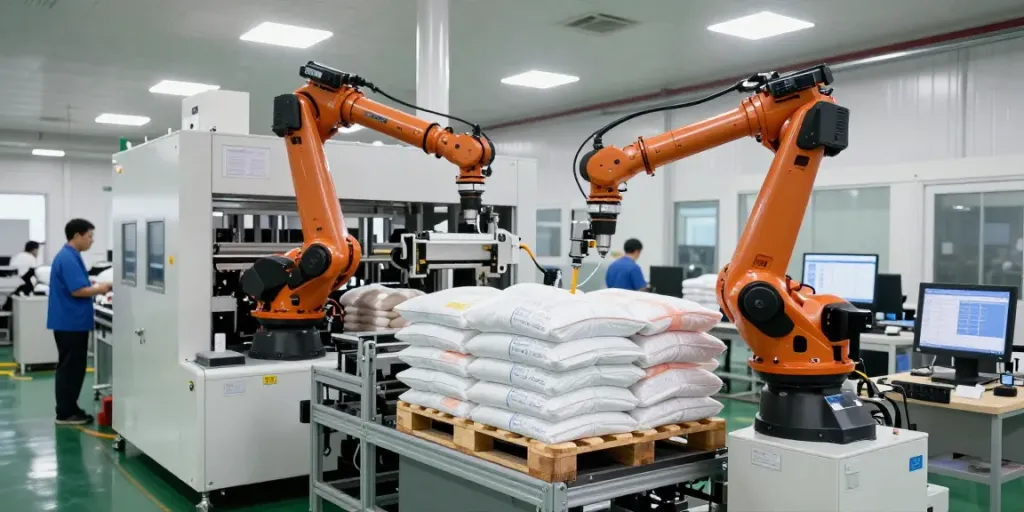
At its core, an automatic bag palletizer machine is designed to automatically stack bags onto pallets for shipping. This can include a wide range of products, from food items like flour and sugar to agricultural products such as seeds or fertilizers. By utilizing robotic arms or other automation technologies, these machines can manage the intricate task of arranging bags into neat formations, ensuring stability and maximizing space on pallets.
Key Components and Features
An efficient automatic bag palletizer typically comprises several key components:
- Robotic Arms: These are responsible for picking and placing bags onto pallets. Advanced models can adapt to various bag sizes and weights.
- Conveyor Systems: Used for transporting bags from the packaging line to the palletizing station.
- Control Systems: A user-friendly interface allows for easy operation, monitoring, and troubleshooting of the palletizer.
- Safety Features: Emergency stop buttons and sensors to prevent accidents during operation.
How Does It Work?
The operation of an automatic bag palletizer is both fascinating and highly efficient. Initially, bags enter the palletizer via conveyor belts and are oriented correctly before being picked up by robotic arms. The machine's control system determines the optimum stacking pattern based on pallet size and product dimensions. Once the bags are stacked, the pallet is moved to the stretch wrapping station, where it is secured for transport.
Benefits of Implementing an Automatic Bag Palletizer Machine
Improved Efficiency and Productivity
One of the most compelling reasons to invest in an automatic bag palletizer is the significant boost in efficiency. These machines can operate at high speeds, often palletizing more than 20 bags per minute, far exceeding human capabilities. This high throughput ensures that packaging lines maintain momentum, reducing downtime and increasing the overall output of a manufacturing facility.
Cost Savings and Resource Optimization
By automating the palletizing process, companies can significantly cut labor costs associated with manual stacking. Additionally, with better pallet configurations, businesses can optimize the use of shipping and storage space, leading to reduced transportation costs and better inventory management. Over time, the return on investment (ROI) for deploying these machines can be substantial.
Enhanced Safety and Reduced Labor
Automatic bag palletizers enhance workplace safety by reducing the need for manual handling of heavy bags. Employees can focus on higher-value tasks, minimizing the risk of workplace injuries associated with repetitive lifting and stacking. Furthermore, these machines are designed with advanced safety features to protect workers and ensure compliance with industry regulations.
Choosing the Right Automatic Bag Palletizer Machine for Your Business
Evaluating Technical Specifications
When selecting an automatic bag palletizer, it's essential to consider technical specifications such as speed, payload capacity, and adaptability to different bag sizes. These factors will influence not only the immediate operational efficiency but also long-term scalability as business needs evolve.
Assessing Compatibility with Existing Systems
Integration with current packaging lines is crucial. Assess whether the new palletizer can seamlessly connect with existing conveyor systems and other machinery. The right compatibility will minimize disruptions during the transition phase and ensure a smooth operational workflow.
Understanding Your Production Needs
Each business has unique production requirements, so it is vital to assess the types and quantities of products being packaged. An automatic bag palletizer should be tailored to meet those specific needs, ensuring high efficiency and effectiveness in the packaging process.
Common Challenges with Automatic Bag Palletizer Machines
Addressing Technical Issues
Like any sophisticated machinery, automatic bag palletizers can encounter technical issues. Regular maintenance and troubleshooting protocols are necessary to identify and resolve problems quickly, minimizing production downtime.
Overcoming Integration Challenges
Integrating a new palletizing machine into existing operations can pose challenges. It is essential to have a strategic plan in place to facilitate this integration, including operator training and ensuring all systems communicate effectively.
Managing Maintenance and Repairs
Routine maintenance is vital for the longevity of your automatic bag palletizer. Setting up a scheduled maintenance program can prevent costly repairs and ensure consistent performance. Additionally, having a reliable vendor for parts and service can significantly reduce lead times when repairs are needed.
Future Trends in Automatic Bag Palletizer Machines
Technological Advancements and Innovations
The evolution of technology continues to impact the capabilities of automatic bag palletizers. Innovations such as artificial intelligence (AI), machine learning, and enhanced vision systems are leading to smarter, more adaptable machines that can learn from their environment and improve their operating efficiency over time.
Impact of Industry 4.0 on Automation
Industry 4.0 is ushering in a new era of automation where smart devices communicate with each other. This interconnectedness will allow for real-time monitoring and optimization of palletizing operations, resulting in even greater efficiencies and insights into production workflows.
Predictions for the Automation Landscape by 2026
As we look towards 2026, it is anticipated that the demand for automatic bag palletizer machines will continue to rise. Businesses will increasingly seek solutions that not only enhance productivity but also support sustainability efforts. Machines that optimize energy use and reduce waste will likely become the standard in the industry.
What are the costs associated with robotic palletizers?
The initial investment for robotic palletizers can vary significantly based on features, capacity, and complexity. While some may be priced around $100,000, others with advanced capabilities can exceed $500,000. Businesses must consider the long-term savings and ROI when evaluating these costs.
How can I improve my existing palletizing setup?
Common enhancements include upgrading to a more efficient machine, implementing better training for operators, and optimizing layout for improved flow. Regular evaluations of your current processes can also identify areas for improvement that can lead to increased efficiency.
What industries benefit the most from bag palletizers?
Industries such as food and beverage, agriculture, pharmaceuticals, and chemicals benefit greatly from automatic bag palletizers. These sectors often deal with high volumes of products that require fast, reliable, and accurate palletizing solutions.
Are there environmental considerations with automation?
Environmental impact is becoming a crucial factor in manufacturing. Many modern automatic bag palletizers are designed to minimize waste and energy consumption, aligning with sustainability goals and regulations aimed at reducing carbon footprints.
What maintenance is required for automatic palletizers?
Routine maintenance should include regular inspections, lubrication of moving parts, and timely replacement of worn components. Establishing a proactive maintenance schedule can significantly extend the lifespan of your automatic bag palletizer and ensure it operates at peak efficiency.