Understanding Containerized Water Treatment Systems
In an era where water scarcity is becoming increasingly critical, the evolution of water treatment technology has never been more necessary. Containerized water treatment systems are transforming the landscape of how we approach water purification, particularly in challenging and diverse scenarios. These modular solutions leverage flexibility and efficiency, creating tailor-made processes that address the unique needs of municipal, industrial, and remote applications. QILEE Group, a leading water treatment systems Supplier, exemplifies the advancements in this field, providing systems designed for rapid deployment and high adaptability.
What Are Containerized Water Treatment Systems?
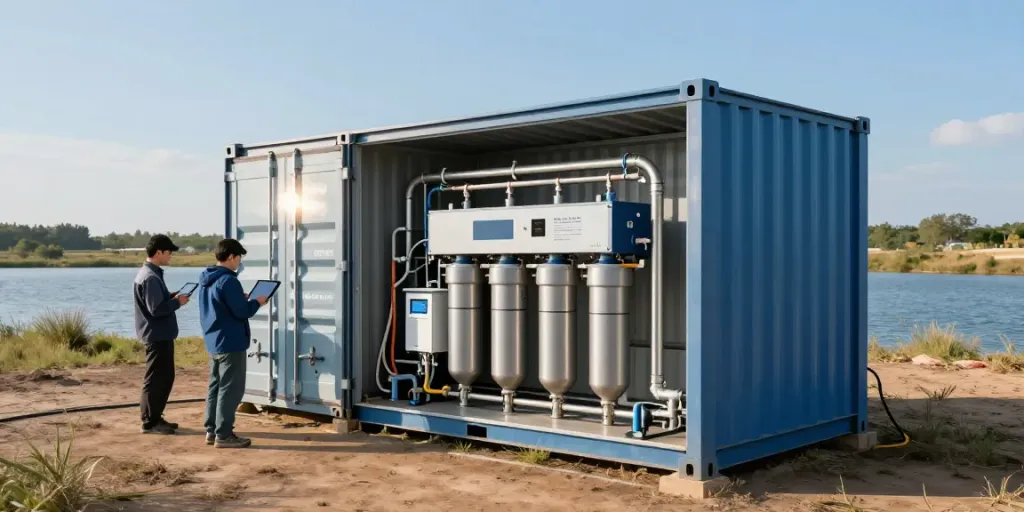
Containerized water treatment systems are compact, modular units designed to deliver effective water purification solutions anywhere in the world. These systems combine various treatment processes typically found in a stationary water treatment plant but package them into a mobile format. This innovative approach allows for the effortless relocation and reuse of equipment, making them an ideal choice for regions requiring quick responses to water quality challenges. The containerized units can handle various water sources, ensuring access to safe, soft drinking water, regardless of the incoming water quality.
Key Benefits of Modular Water Treatment Solutions
The key benefits of containerized water treatment systems include modularity, speed of deployment, and operational flexibility. Unlike traditional water treatment facilities, which can take months to construct, containerized solutions can be deployed on-site within days, significantly shortening the overall project timeline. Additionally, they require less physical space and can be set up with minimal site preparation, allowing for improved efficiency in locations where space is limited. This adaptability makes them suitable for a broad range of environments, including urban, rural, and disaster-affected areas.
Applications in Municipal and Industrial Sectors
Containerized water treatment systems find applications across various sectors, including municipal, industrial, and remote settings. In municipal applications, these systems can provide emergency water supply during natural disasters or supply drinking water to rapidly growing populations. In industrial contexts, they are utilized for processes requiring high-purity water, such as in pharmaceuticals and laboratories, ensuring compliance with strict water quality standards. Additionally, their portability allows for deployment in remote locations where traditional infrastructure is not feasible.
Advantages Over Traditional Water Treatment Systems
Speed of Deployment and Installation
One of the most significant advantages of containerized water treatment systems is the speed of deployment. Traditional systems often require extensive civil engineering and can take 3 to 6 months to become operational. In contrast, containerized systems can be deployed in as little as 3 to 7 days, allowing for rapid response to urgent water quality issues. This reduced timeline is crucial in emergency situations where access to clean water is a matter of life and death.
Space Efficiency and Site Requirements
Containerized systems require significantly less physical space compared to their traditional counterparts. Traditional facilities need extensive site preparation and engineering efforts, consuming valuable land and resources. Conversely, containerized solutions can be placed on any flat ground, saving up to 50% of the required space. This is particularly beneficial in urban environments or regions with limited available land.
Monitoring and Control Innovations
Modern containerized water treatment systems are equipped with advanced monitoring and control technologies that enhance operational efficiency. These systems generally include intelligent control mechanisms that enable real-time monitoring and remote operation. This contrasts sharply with traditional methods, where monitoring is often manual and less reliable. The integration of smart technologies ensures consistent water quality and reduces the risk of system failures.
Quality and Reliability of Water Treatment Systems
Advanced Filtration Technologies Explained
Quality is paramount in water treatment, and containerized systems utilize advanced filtration technologies to deliver superior water purification. Techniques such as reverse osmosis (RO) and electrodeionization (EDI) are commonly integrated to produce high-purity water. These technologies remove contaminants and impurities efficiently, ensuring that the output meets even the most stringent water quality standards.
Real-time Monitoring and Maintenance Practices
Effective maintenance and monitoring are essential for the continued reliability of water treatment systems. Containerized systems are designed for easy access to components, facilitating regular maintenance and inspections. With real-time data collection and analysis capabilities, operators can identify potential issues before they escalate, ensuring consistent, reliable performance. This proactive approach also contributes to extended system lifespans and lower operational costs.
Impact on Water Quality Assurance
The combination of advanced filtration technologies and real-time monitoring significantly impacts water quality assurance. Containerized systems are engineered to perform consistently under various conditions, maintaining the integrity of the water supply. Operators can rely on data-driven insights to adjust processes as needed, ensuring that water safety standards are consistently met or exceeded.
Environmental Considerations and Reusability
Resource Recycling and Sustainability Practices
As environmental concerns grow, the demand for sustainable water treatment solutions has increased. Containerized systems are designed with sustainability in mind, supporting resource recycling and reducing waste. These systems can incorporate reclaimed water reuse modules that allow for the repurposing of treated wastewater, contributing to a recycling rate of up to 80%, which is significantly higher than traditional systems.
Integration of Reclaimed Water Reuse Modules
Integrating reclaimed water reuse modules is one of the unique features of containerized water treatment systems. These modules enable the reprocessing of treated wastewater for non-potable uses, such as irrigation and industrial applications. As water scarcity continues to be a pressing global issue, the ability to reuse water effectively will play a critical role in sustainable management practices across various sectors.
Reducing Carbon Footprint with Mobile Solutions
The mobility of containerized systems also contributes to reducing the carbon footprint associated with water treatment. These systems can be easily transported and redeployed, minimizing the need for extensive construction projects that typically have a high environmental impact. Furthermore, by providing efficient solutions that require less energy, they contribute to lower greenhouse gas emissions, aligning with global sustainability goals.
Future Trends in Water Treatment Solutions for 2026
Innovations in Containerized Systems
Looking ahead to 2026, we can expect to see significant innovations in containerized water treatment systems. Advances in technology will likely enhance their efficiency and effectiveness, introducing new filtration methods and smart monitoring tools that further streamline operations and increase reliability.
Emerging Technologies and Their Impacts
Emerging technologies, such as artificial intelligence (AI) and the Internet of Things (IoT), will play a pivotal role in the future of water treatment. These technologies will facilitate better data collection and analysis, enabling more precise management of water resources and improving the overall performance of water treatment systems. The integration of such technologies can lead to improved decision-making processes and greater responsiveness to changing water quality standards.
Adapting to Changing Regulatory Standards
As global awareness of water quality issues increases, regulatory standards are likely to evolve. Containerized water treatment systems must adapt to these changes to remain compliant and effective. Companies that invest in innovation and stay informed about regulatory developments will position themselves as leaders in the industry, ensuring they meet or exceed the standards set by local and international bodies.
What are the key features of containerized water treatment systems?
The key features of containerized water treatment systems include modularity for easy relocation, rapid deployment within days, advanced filtration and monitoring technologies, and high reusability rates. These features make them ideal for diverse applications.
How do containerized systems compare with traditional methods?
Containerized systems significantly outperform traditional methods in terms of speed of installation, space requirements, monitoring capabilities, and overall flexibility. They allow for much faster responses to water quality issues, making them a preferred choice in emergency and temporary scenarios.
What industries benefit from modular water treatment solutions?
Municipalities, industrial sectors such as pharmaceuticals and laboratories, disaster response teams, and remote location operations benefit from modular water treatment solutions due to their adaptability and efficiency.
What sustainability practices are involved in water treatment?
Sustainability practices in water treatment include the integration of reclaimed water reuse systems, resource recycling, and the implementation of efficient technologies that minimize energy consumption and waste production.
What advancements can we expect in water treatment technologies?
Advancements in water treatment technologies will likely include new filtration methods, enhanced automation, and smart monitoring capabilities that leverage AI and IoT, leading to more efficient management and higher-quality outputs.