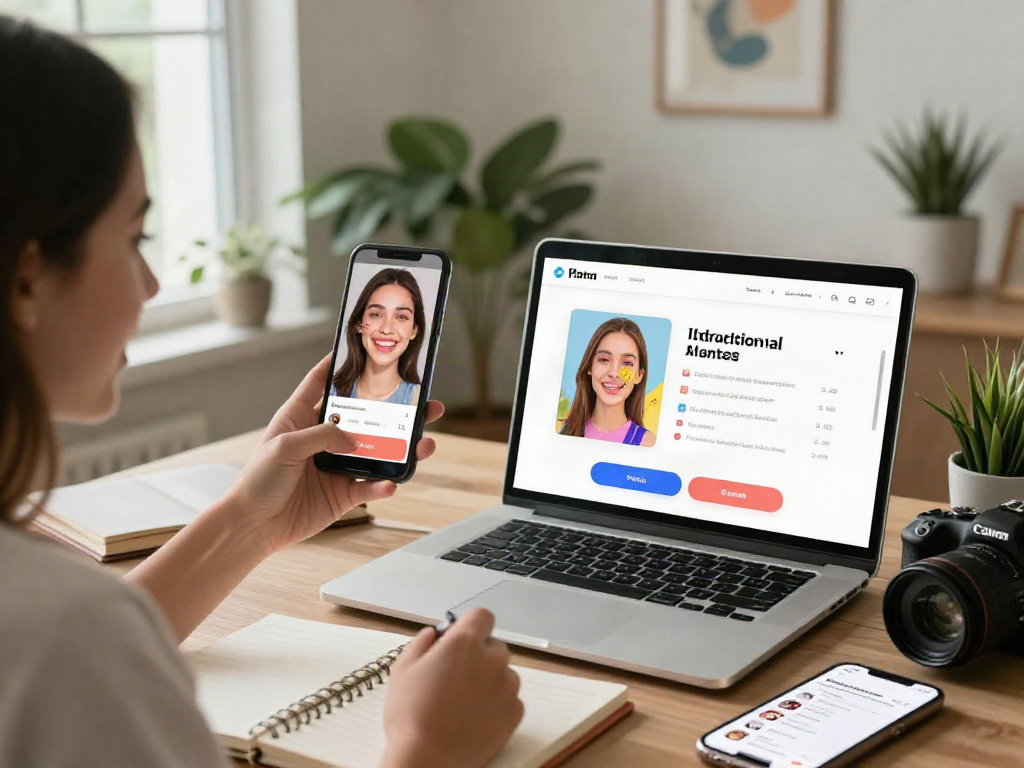
Understanding the Technology Behind Age Estimation
As technology continues to evolve in the 21st century, the concept of age estimation via artificial intelligence has gained significant traction. These tools leverage advanced algorithms to analyze facial features, providing users with an estimate of how old they appear. Whether for curiosity or entertainment, understanding the technology behind these tools can enhance your experience. For those interested in exploring various options, how old do I look offers comprehensive insights into this innovative technology.
What Is AI Facial Recognition?
AI facial recognition involves algorithms that identify and verify individuals by analyzing facial features. This technology uses deep learning models trained on vast datasets of facial images. It processes key facial landmarks and characteristics such as skin texture, wrinkles, and overall facial structure to generate an analysis. As AI continues to improve, the accuracy of facial recognition has become remarkably sophisticated, leading to more reliable age estimation tools.
How Does Age Estimation Work?
Age estimation tools utilize machine learning models to predict how old a person appears based on their facial features. When a user uploads a photo, the AI analyzes the image, identifying patterns and markers that indicate age. This may include assessing the presence of fine lines, sagging skin, and other signs of aging. The system then compares these findings against data sets to provide an approximate age range.
The Role of Machine Learning in Accuracy
Machine learning is at the core of facial age estimation technologies. By utilizing vast amounts of data, these algorithms refine their predictions, continually learning from new inputs. As they process more images, they become better at distinguishing between various age-related features. This continuous improvement contributes to the tools' overall accuracy, allowing users to receive more precise age assessments and insights.
How to Use Age Estimation Tools Effectively
Utilizing online age estimation tools is relatively straightforward, yet understanding how to maximize their effectiveness can enhance your results. Knowing the right steps and considerations can make your experience enjoyable and informative.
Step-by-Step Guide to Uploading Your Photo
- Choose a reputable age estimation tool online.
- Make sure to take a clear, well-lit photo of your face. Avoid filters or heavy makeup, as these can distort the AI's analysis.
- Follow the prompts on the website to upload your photo. Most sites will have a straightforward upload button.
- Wait for the analysis to process, usually taking just a few moments.
- Review the estimated age results and any additional insights provided by the tool.
Interpreting the Results: What Do They Mean?
Once you receive your age estimation, it's essential to understand what the results indicate. Most tools will provide a range and may include specific feedback on features that contributed to the estimate. For example, you may find notes about skin texture, eye brightness, or facial fullness. Keep in mind that these results are estimates and may not always reflect your actual age.
Privacy Considerations When Using Online Tools
When using online age estimation tools, it’s crucial to be aware of privacy considerations. Many platforms require photo uploads, which can raise concerns about data security. Always opt for tools that prioritize user privacy and have transparent data protection policies. Check if the platform deletes your images after use and whether it encrypts your data during transmission.
Common Misconceptions about Age Estimation
As the popularity of age estimation tools grows, so do misconceptions surrounding their use and effectiveness. Addressing these misunderstandings can clarify what users should expect from these innovative technologies.
Is All AI Technology Reliable?
While AI technologies have made significant strides, not all age estimation tools are equally reliable. Factors such as the quality of training data and the algorithms' sophistication can affect accuracy. Users should approach results with a critical mindset, understanding that they are based on statistical models rather than definitive measures.
Understanding Limitations of Current Tools
Despite advancements, current age estimation tools have limitations. Variability in lighting, angles, and individual differences in facial features can lead to discrepancies in results. Furthermore, tools may struggle with certain ethnicities or features not well-represented in training datasets, which can skew their predictions.
Debunking Myths Around AI and Aging
Another common myth is that AI can determine one’s exact chronological age, which it cannot. Age estimation tools provide a perception of how old you look, not your biological age or life experience. Users should remember that these estimates are fun and can vary widely.
Future Trends in Age Estimation Technology
The field of AI and age estimation is continually evolving. Keeping an eye on emerging trends can provide insights into how these technologies may develop in the coming years.
Emerging Features to Look Out For in 2026
In 2026, expect to see enhanced features such as real-time age estimation via live video feeds. Innovations in augmented reality (AR) may also allow users to visualize aging effects dynamically. These advancements could revolutionize how we interact with age estimation technology, making it even more engaging.
Integration with Social Media Platforms
As social media continues to dominate our lives, integrating age estimation tools with platforms like Instagram and Snapchat can be anticipated. Such integration could allow users to share their estimations or play with age filters more easily, creating an interactive social experience centered around age perception.
Potential Impact on Beauty and Youth Culture
With these technologies becoming mainstream, their influence on beauty standards and youth culture will likely grow. As people become more aware of their perceived age through these tools, there could be shifts in how we view beauty and aging. This may lead to increased discussions around self-image and societal expectations.
Frequently Asked Questions
How Accurate Are Online Age Estimation Tools?
The accuracy of online age estimation tools varies based on the algorithm and input quality. However, many tools provide a fair estimate within a reasonable range, making them useful for entertainment purposes, albeit not for clinical assessments.
Can Age Estimation Predict My Real Age?
No, these tools are designed to estimate perceived age based on facial features, not provide an exact biological age. They analyze superficial traits but can't account for internal biological factors.
What Are the Best Age Estimation Applications?
Several applications are popular among users, including FaceAge.ai, Fotor, and BeautyPlus. Each has its unique features and algorithms, so exploring a few can help you find one that suits your needs.
Are There Any Costs Associated with These Tools?
Most age estimation tools offer free services, though some may provide premium features or ad-free experiences for a fee. Always check the terms of service before uploading your photo.
How is My Data Protected When Using These Services?
Reputable age estimation services prioritize user data security. Look for platforms that use encryption and clearly outline their privacy policies. Always avoid sharing sensitive information unless you fully trust the service.