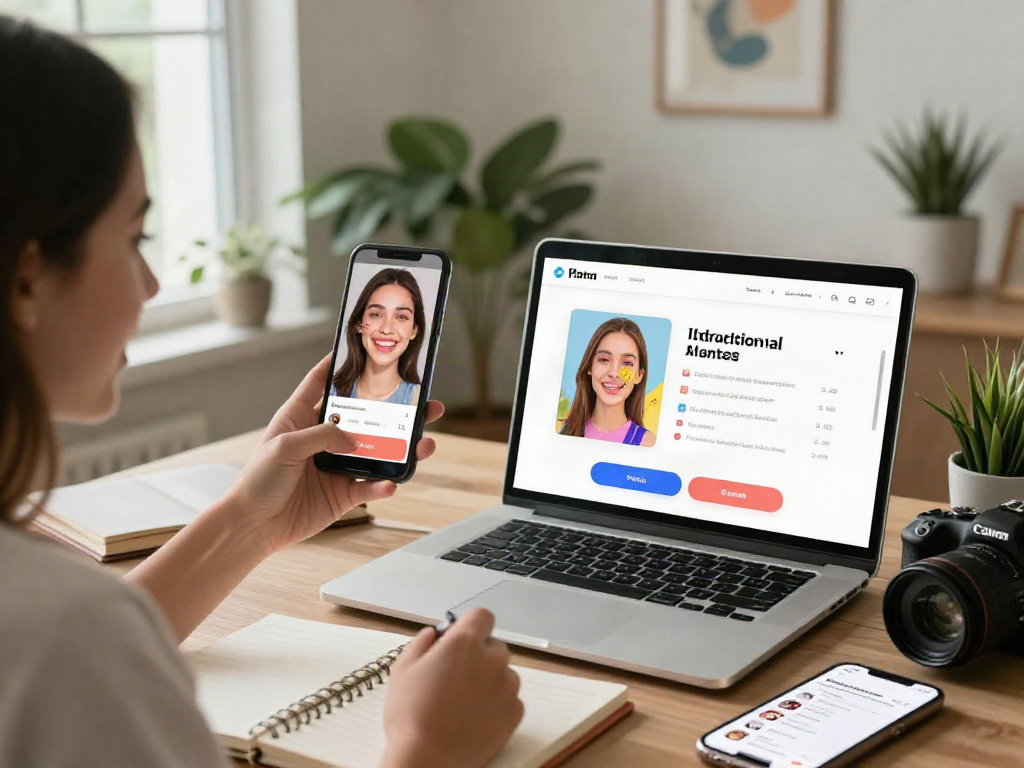
Understanding Attractiveness Testing
The quest to understand human attractiveness has intrigued scientists and laypeople alike for centuries. As societal standards evolve, so do the methods used to evaluate these standards. Attractiveness tests now integrate advanced technologies, notably artificial intelligence (AI), to provide assessments that are not only quick but also surprisingly nuanced. These tools analyze facial features and various attributes to deliver a score that reflects one's perceived beauty. For those seeking a structured approach to gauge their appearance, an attractiveness test can offer valuable insights into one's attractiveness profile.
What is an Attractiveness Test?
An attractiveness test is a systematic evaluation tool that estimates how attractive an individual’s facial features are based on well-established beauty standards. These tests have evolved from subjective assessments by peers to sophisticated AI-driven analyses that consider multiple factors such as symmetry, proportion, and even emotional expressions. Users typically upload a photograph, and the test evaluates various attributes to provide a score that can range from a simple numerical rating to detailed feedback about facial features.
Key Components of Attractiveness Evaluation
Attractiveness evaluations are generally based on key components that have been studied extensively in psychology and aesthetics:
- Symmetry: Faces that exhibit bilateral symmetry are often perceived as more attractive. This is supported by the notion that symmetry is a sign of good health and genetic fitness.
- Proportionality: The golden ratio, a mathematical ratio often found in nature, is frequently cited in beauty standards. Facial features that align with this ratio are deemed more attractive.
- Facial Features: Specific characteristics such as the distance between the eyes, the width of the jaw, and lip fullness all contribute to an overall attractiveness score.
- Expression: The emotional expressions captured in a photograph can significantly influence attractiveness perceptions, as happiness and warmth often enhance appeal.
Importance of AI in Attractiveness Assessment
The integration of AI technologies in attractiveness assessments represents a significant advancement in this field. AI models analyze vast datasets, learning from millions of facial images to discern patterns and preferences that humans might overlook. This technology allows for:
- Precision: AI can assess and quantify facial features with remarkable accuracy, reducing the subjectivity linked to human evaluations.
- Objectivity: By relying on algorithms, the evaluations are less likely to be influenced by biases that can affect personal judgments.
- Scalability: AI can process a large number of images rapidly, making it possible for users to receive instant feedback on their attractiveness.
How Attractiveness Tests Work
Step-by-Step Process of Taking an Attractiveness Test
Taking an attractiveness test typically involves a straightforward process:
- Photo Upload: Users begin by selecting a clear photograph of their face. The quality and angle of the image can significantly impact the test results.
- Analysis: The AI algorithms analyze the uploaded photo, measuring key aspects such as symmetry, proportions, and facial features.
- Score Generation: After analyzing the image, the test generates an attractiveness score often accompanied by insights about what features contributed to the score.
- Feedback: Users receive a summary of their results, which may include suggestions for improving their attractiveness based on current beauty trends.
Technical Insights: Analyzing Facial Features
The technical analysis involved in attractiveness tests can be broken down into various methods:
- Landmark Detection: AI models identify specific facial landmarks, using them to calculate distances and ratios that are crucial for assessing symmetry and proportions.
- Machine Learning: Through supervised learning, these AI systems improve their accuracy over time, learning from user feedback and updated datasets.
- 3D Modeling: Advanced tests may utilize 3D reconstruction of facial features, allowing for a more detailed analysis of depth and angles that flat images might not convey.
Common Misconceptions about Attractiveness Scores
Despite their growing popularity, several misconceptions about attractiveness scores persist:
- Absolute Truth: Many users may misunderstand that scores represent an absolute measure of attractiveness. In reality, these tests reflect subjective preferences influenced by cultural and social factors.
- Fit for Everyone: Some believe these tests can be universally applied, but attractiveness is deeply personal and varies across different cultures and ideologies.
- Change Over Time: Attractiveness evaluations are not static; societal standards change, which can influence what features are deemed attractive at any given time.
Benefits of Taking an Attractiveness Test
Enhancing Self-Perception and Confidence
One of the primary benefits of taking an attractiveness test is the potential boost in self-perception and confidence. Understanding how one’s features align with beauty standards can empower individuals to embrace their unique aesthetics or motivate them to enhance their appearance further.
Understanding Beauty Standards and Trends
Attractiveness tests also serve as educational tools. They provide insights into current beauty standards, which can evolve rapidly due to cultural shifts, media representation, and celebrity influence. By understanding these trends, individuals can navigate societal expectations and find their personal style.
Using Feedback for Personal Improvement
The feedback generated from attractiveness tests can be a valuable resource for personal growth. Tips on enhancing features, styling approaches, and skincare routines can significantly aid individuals in optimizing their appearance and boosting overall confidence.
Imperatives for Effective Attractiveness Testing
Best Practices for Uploading Photos
When taking an attractiveness test, the quality of the uploaded photo can affect the accuracy of the results. Here are some best practices:
- Use a well-lit environment to avoid shadows distorting facial features.
- Select a straight-on shot with an unobstructed view of the face.
- Avoid extreme angles or heavy filters that can alter natural appearance.
Interpreting and Utilizing Your Attractiveness Score
Upon receiving your score, it's crucial to approach it with an open mind. Scores are merely indicators and should not dictate self-worth. Instead, use them as a starting point for self-reflection and personal development. Evaluate the feedback provided and consider applying it to enhance features or adopt new styles.
Addressing Privacy Concerns in Online Tests
Privacy remains a significant concern for many users when using online attractiveness tests. Ensure that the platform you choose adheres to strict privacy policies, safeguarding your data and images. Look for platforms that explicitly outline how your data will be used and stored.
Future of Attractiveness Testing in 2026 and Beyond
Emerging Technologies Enhancing Attractiveness Analysis
As we look ahead to 2026, several key technological advancements are poised to revolutionize the attractiveness testing landscape:
- Augmented Reality: AR technology may allow users to visualize changes to their appearance in real-time, aiding in the customization of beauty treatments.
- Advanced AI Models: Future algorithms are expected to be more inclusive, taking into account diverse beauty standards across different cultures to offer a more personalized experience.
- Gamification: Making beauty assessments interactive and fun can further engage users, combining self-assessment with elements of gaming.
Predicted Trends in Beauty and Attraction
As beauty standards evolve, we anticipate a shift towards greater acceptance of diverse models of beauty. More emphasis will be placed on uniqueness rather than conformity, promoting body positivity and self-acceptance. Attractiveness tests will likely adapt to reflect these shifts, focusing on celebrating individuality.
How to Stay Informed on Attractiveness Testing Innovations
Keeping abreast of new developments in attractiveness testing can be achieved by following key influencers in beauty and tech, subscribing to industry newsletters, and engaging in online forums dedicated to beauty standards. Participation in relevant workshops or webinars can also provide valuable insights into the latest trends and tools available.
What factors influence attractiveness?
Many factors contribute to perceptions of attractiveness, including cultural influences, personal preferences, and even evolutionary factors. For instance, traits associated with youthfulness and health tend to be favored universally, while cultural standards can introduce variations in what features are celebrated.
Are attractiveness tests accurate?
The accuracy of attractiveness tests can vary. While AI-powered tests offer a level of precision not achievable through human judgment, they still rely on data that reflect societal biases and trends. Users should view scores as a guiding metric rather than an absolute assessment of beauty.
Can I improve my attractiveness score?
Improving your attractiveness score is possible through various avenues such as skincare routines, cosmetic procedures, or adopting new hairstyles. The key is to focus on enhancing features you feel most confident about while remaining true to your unique persona.
What are the limitations of attractiveness tests?
Attractiveness tests have inherent limitations, primarily as they are designed based on prevailing beauty standards, which can vary drastically across cultures and time periods. They may reinforce narrow definitions of beauty and can lead some individuals to a harmful fixation on achieving unattainable standards.
How do cultural differences affect attractiveness perceptions?
Cultural influences significantly shape perceptions of beauty. Traits regarded as attractive in one culture may not hold the same appeal in another. Understanding these differences is essential for anyone engaged in the beauty industry or interested in pursuing attractiveness testing.