Understanding IEC Connectors and Their Importance
IEC connectors play a crucial role in establishing electrical connections across various applications. Defined by the International Electrotechnical Commission (IEC), these connectors are designed to ensure safety and performance standards are met in a wide range of devices—from home appliances to industrial machinery. With a maximum current capacity of 16A and voltage ratings up to 250V AC, IEC connectors are essential in linking power sources to electrical appliances securely. When exploring options, IEC connector manufacturer LANZ Electronics provides comprehensive insights into high-quality connector solutions that meet international certification standards.
What is an IEC Connector?
An IEC connector is defined by a set of standards established to ensure the safe and efficient connection of power to electrical devices. The most common types of these connectors include C13, C14, C19, and C20, which are widely used in various appliances, ranging from computers to household appliances. IEC connectors are designed for easy assembly and disassembly, making them user-friendly while maintaining reliability in performance.
Applications of IEC Connectors Across Industries
IEC connectors are applicable in multiple sectors, including:
- Commercial Electronics: Used in laptops, desktops, printers, and audiovisual equipment, ensuring a stable power supply.
- Industrial Automation: Essential in connecting machinery and control systems, providing seamless operation in manufacturing environments.
- Data Centers: Critical in power distribution systems within data centers, where reliability and efficiency are paramount.
- Medical Equipment: Used in sensitive equipment, IEC connectors ensure safety and compliance with stringent medical regulations.
- Electric Vehicles (EV) and Charging Infrastructure: As the demand for EVs grows, IEC connectors are integral in the charging systems that support these vehicles.
Compliance and Certification Standards in Manufacturing
Manufacturers of IEC connectors must adhere to rigorous standards to ensure that their products are safe and reliable. Compliance with certifications such as UL, CE, RoHS, and REACH is crucial. These certifications verify that the connectors not only meet electrical safety standards but also comply with environmental regulations. As a reputable manufacturer, LANZ Electronics holds multiple certifications, ensuring that its products remain compliant with the latest industry standards.
Benefits of Choosing a Reliable IEC Connector Manufacturer
Selecting a trusted IEC connector manufacturer is vital for ensuring the quality and longevity of your electrical components. A reliable manufacturer offers various benefits, such as:
Quality Assurance Processes
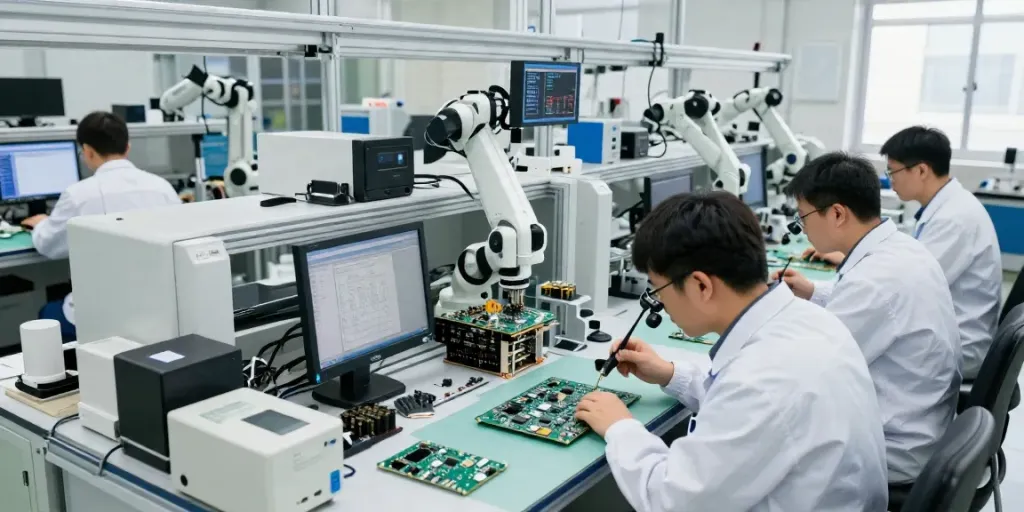
Quality assurance is at the core of any reputable IEC connector manufacturer. Effective processes involve thorough testing of every component across multiple stages of production. This includes raw material inspections, in-process monitoring, and final tests to ensure that the product meets international safety and performance standards. Companies like LANZ Electronics implement strict quality control measures, ensuring that every connector is built to last.
Custom Solutions for Unique Applications
Many industries have unique requirements that standard IEC connectors may not meet. A reliable manufacturer can provide custom-engineered solutions tailored to specific applications. This can include variations in connector configurations, cable lengths, and specialized materials designed to withstand harsh environments. LANZ’s in-house engineering team works closely with clients to design and produce custom solutions that fulfill specific operational needs.
Global Supply Chain and Delivery Timeframes
Efficiency in supply chain management is crucial for manufacturers looking to meet market demands. A dependable IEC connector manufacturer ensures timely delivery, allowing businesses to maintain their production schedules. LANZ Electronics has developed a robust global supply chain, effectively serving clients across North America, Europe, and Asia with flexible shipping options and fair pricing.
Key Features of High-Performance IEC Connectors
High-performance IEC connectors feature several key attributes that contribute to their reliability and longevity.
Material Composition and Durability Standards
The materials used in IEC connectors significantly impact their durability and performance. High-quality connectors typically utilize PVC, rubber, and TPE for their insulation and housing, ensuring resistance to wear and tear over time. Additionally, these materials can withstand temperature fluctuations and environmental challenges, making them suitable for various applications.
Design Considerations for Maximum Safety
Safety is paramount in the design of IEC connectors. Manufacturers must ensure that their products incorporate features such as strain relief, which prevents cable damage due to bending or pulling. Moreover, robust locking mechanisms ensure a secure connection, reducing the risk of accidental disconnection during operation. A well-designed IEC connector minimizes the risk of electrical hazards, protecting both equipment and users.
Latest Innovations in IEC Connector Technology
As technology advances, so do the innovations within IEC connector design. Recent developments focus on enhancing conductivity, reducing electromagnetic interference, and improving thermal management. These innovations allow connectors to support higher power levels while maintaining performance reliability, particularly in demanding environments such as data centers and industrial applications.
Challenges in the IEC Connector Manufacturing Process
The manufacturing process for IEC connectors is not without its challenges. Key issues often include quality control, adaptation to market demands, and environmental considerations.
Common Manufacturing Defects and Solutions
Manufacturing defects can severely undermine the reliability of IEC connectors. Common issues include poor solder joints, inadequate insulation, and variations in production standards. To mitigate these risks, manufacturers implement rigorous testing protocols and adhere to standardized procedures, ensuring that each product meets the required specifications before it reaches the market.
Adapting to Market Demands and Trends
The electronics market is continually evolving, which presents challenges for manufacturers. Staying abreast of new technologies, changing consumer preferences, and sustainability practices is essential for maintaining competitiveness. Manufacturers must be agile, ready to adapt their product offerings to align with industry trends and customer demands.
Environmental Considerations and Sustainability Practices
As global focus shifts towards sustainability, IEC connector manufacturers face pressure to adopt environmentally friendly practices. This includes utilizing recyclable materials, minimizing waste during production, and ensuring compliance with regulations concerning hazardous substances. Companies like LANZ Electronics prioritize sustainable manufacturing solutions, demonstrating a commitment to environmental responsibility.
Future Trends in IEC Connector Manufacturing
Looking ahead, the IEC connector manufacturing industry is poised for significant shifts influenced by technology, market dynamics, and regulatory changes.
Emerging Technologies and Their Impact
Emerging technologies such as IoT, AI, and advanced robotics will revolutionize connector manufacturing processes. The integration of smart manufacturing technologies will facilitate more efficient production capabilities, reducing lead times and costs while enhancing product quality.
Predictions for the IEC Components Market in 2026
The IEC components market is expected to grow, driven by increasing demand across various sectors, including renewable energy, electric vehicles, and automation. As these industries expand, the need for reliable IEC connectors will grow, highlighting the importance of innovation and quality in the manufacturing process.
Preparing for Changes in Compliance Regulations
As compliance regulations evolve, manufacturers must stay informed about changes that impact product standards. Companies will need to adapt their processes to ensure alignment with new regulations, emphasizing the importance of flexibility in operational strategy within the IEC connector manufacturing landscape.