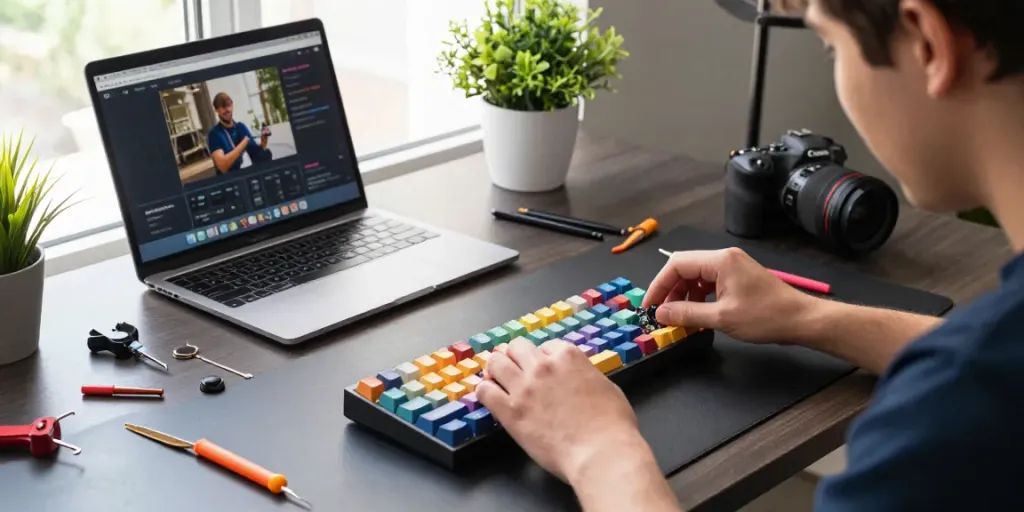
Understanding the Wooting 60HE v2 Case
The Wooting 60HE v2 case is a critical component for anyone looking to build or customize their mechanical keyboard. Designed specifically for the Wooting 60HE v2 keyboard, it offers a blend of aesthetics and functionality that caters to both gamers and typists alike. As mechanical keyboards continue to evolve, users are increasingly interested in customizing their setups to better reflect their personal style and usage preferences. This guide will provide you with an in-depth understanding of the Wooting 60HE v2 case and how it enhances the keyboard-building experience. When exploring options, Wooting 60HE v2 case provides comprehensive insights into customizing your keyboard.
What is the Wooting 60HE v2 Case?
The Wooting 60HE v2 case is a housing solution specifically designed for the Wooting 60HE v2 keyboard, a model known for its innovative Hall Effect technology. Unlike traditional mechanical keyboards, the Wooting 60HE v2 features analog input, allowing for nuanced control in gaming and other applications. The case is crafted to fit securely around the keyboard’s components, providing protection while also enhancing the aesthetic appeal. It offers compatibility with various mounting options, making it a versatile choice for customization enthusiasts.
Key Features of the Wooting 60HE v2 Case
- Durable Construction: Made from high-quality materials that ensure longevity and resistance to wear and tear.
- Customizable Design: The case allows for various color schemes and finishes, catering to different aesthetics.
- Enhanced Stability: Provides a solid base for the keyboard, minimizing movement during intense gaming sessions.
- Easy Assembly: Designed with user-friendly features that simplify the building and customization process.
Why Choose the Wooting 60HE v2 Case?
Choosing the Wooting 60HE v2 case means investing in a product that enhances both the performance and visual appeal of your keyboard. With a focus on customization, you can personalize your setup to match your style while ensuring that the functionality remains top-notch. The case also contributes to better ergonomics, allowing for comfortable typing and gaming experiences.
Compatibility and Customization
Understanding the compatibility of the Wooting 60HE v2 case with different components is crucial for customizing your keyboard. This section will delve into various cases compatible with the Wooting 60HE v2, as well as tips on how to effectively customize the case to suit your needs.
Cases Compatible with Wooting 60HE v2
There are several cases available that fit the Wooting 60HE v2, each offering its unique features and benefits. Some popular options include:
- TOFU Case: Known for its sleek design and solid construction, this case is favored by many mechanical keyboard enthusiasts.
- Holy60 Case: This case offers a unique aesthetic that caters to gamers looking to build a standout keyboard.
- GT-60 Case: Features magnetic PCB support, providing ease of assembly and enhanced stability.
Customizing Your Wooting 60HE v2 Case
Customization is one of the most appealing aspects of the Wooting 60HE v2 case. From changing the color to adding custom keycaps, there are numerous ways to make the keyboard truly yours. Consider the following tips:
- Choose Your Keycap Set: Select keycaps that reflect your style. From themed sets to custom designs, the possibilities are vast.
- Accent Pieces: Some cases come with interchangeable accent pieces, allowing you to switch up the look easily.
- Lighting Options: If you prefer RGB lighting, ensure the case supports this feature to enhance your gaming setup.
Evaluating Performance Enhancements
Performance is an essential aspect of any keyboard. The Wooting 60HE v2 case contributes to better acoustics and stability during use. When customizing, keep in mind the following enhancements:
- Stabilizers: Ensure that you choose high-quality stabilizers for larger keys to maintain consistent performance.
- Sound Dampening Materials: Adding materials can reduce vibrations and improve overall sound quality.
- Switch Options: The switches you choose will directly influence the feel and sound of your keyboard, so choose wisely.
Step-by-Step Assembly Guide
Assembling your Wooting 60HE v2 case can seem daunting, but with the right tools and guidance, it can be a rewarding experience. This section will guide you through the process step-by-step.
Tools Needed for Assembly
Before you start assembling your keyboard, gather the following tools:
- Phillips Head Screwdriver: For securing the case components.
- Keycap Puller: To easily remove and replace keycaps.
- Switch Puller: To safely remove and install switches.
- Lubricant: For smooth switch operation, consider using lubricant on your switches and stabilizers.
Assembling Your Wooting 60HE v2 Case
The assembly process involves several key steps:
- Prepare the Case: Start by placing the base of the case on a flat surface.
- Install the PCB: Carefully align and secure the PCB onto the base using screws provided.
- Insert the Switches: Push each switch into the corresponding slots on the PCB until they click into place.
- Add Stabilizers: Secure stabilizers on larger keys to ensure stability and performance.
- Attach the Top Cover: Place and secure the top cover of the case onto the assembled components.
- Final Touches: Replace keycaps and perform any cosmetic customizations.
Testing Functionality After Assembly
Once the assembly is complete, it’s crucial to test your keyboard functionality:
- Connect to Your Computer: Plug in the keyboard and ensure it's recognized by your operating system.
- Run a Key Test: Use online key test tools to check for any non-functioning keys.
- Check for Stability: Test the keyboard during heavy typing or gaming to ensure no unwanted movement occurs.
Common Challenges and Solutions
Building a custom keyboard can pose various challenges, but understanding common issues can help you troubleshoot effectively. This section outlines some frequent problems and their solutions.
Addressing Misfits and Compatibility Issues
Sometimes, components may not fit as expected. Here’s how to address such issues:
- Check Specs: Ensure that all components, including the PCB and case, are compatible based on their specifications.
- Test Fit: Before finalizing the assembly, do a test fit of all components to identify any misalignments.
- Seek Community Advice: Consider reaching out to online forums for additional support from experienced builders.
How to Troubleshoot Assembly Problems
If you encounter problems during assembly, follow these tips:
- Consult the Manual: Refer to the assembly manual or documentation for specific instructions.
- Adjust Components: Sometimes, components may need slight adjustments to fit properly.
- Take Your Time: Rushing can lead to mistakes, so take your time to ensure everything is correctly aligned.
Preventing Common Mistakes in Custom Builds
To avoid errors during assembly, keep the following tips in mind:
- Read Reviews: Prior to purchasing components, read reviews to ensure their reliability and compatibility.
- Double-Check Parts: Before assembly, ensure that all necessary parts are present and in good condition.
- Practice Patience: Take breaks if you feel frustrated. Building a keyboard should be an enjoyable experience.
Future Trends in Mechanical Keyboards
The world of mechanical keyboards is rapidly evolving, with new technologies and designs emerging. This section explores future trends that enthusiasts can expect in the coming years.
Innovations in Custom Keyboard Design
As customization becomes more popular, expect more innovations in keyboard design:
- Modular Keyboards: These allow users to easily swap components without needing extensive knowledge.
- Advanced Materials: Use of lightweight yet durable materials will enhance portability and durability.
- Customization Software: Future keyboards might come with software that allows users to modify RGB lighting, key mappings, and profiles.
Emerging Technologies for Enhanced Performance
Technological advancements will continue to enhance keyboard performance:
- Analog Input Technologies: Like that found in the Wooting 60HE v2, allowing for more nuanced control in gaming.
- Smart Keyboards: Keyboards that can adapt based on usage and provide feedback to the user.
- Improved Switch Technologies: Development of silent switches and other specialized switches for diverse user preferences.
What to Expect in Mechanical Keyboards by 2026
As we approach 2026, expect the following trends in mechanical keyboards:
- Greater Personalization: Increased options for personalization, from keycap designs to keyboard layouts.
- Integration with Smart Devices: Seamless connectivity with other devices for enhanced multitasking.
- Focus on Ergonomics: More designs that emphasize ergonomics to reduce strain during extended use.
Frequently Asked Questions
What cases fit the Wooting 60HE v2?
Various cases fit the Wooting 60HE v2, including popular options like the TOFU and Holy60 cases. Each case may offer different aesthetics and functionalities.
Does the Wooting 60HE v2 come with a case?
The Wooting 60HE v2 typically comes with a standard ABS plastic case. However, many users opt for aftermarket options to enhance the aesthetic and functional qualities.
Is the Wooting 60HE v2 worth it?
For enthusiasts seeking a customizable, high-performance keyboard, the Wooting 60HE v2 is certainly worth considering due to its unique analog input technology and extensive customization options.