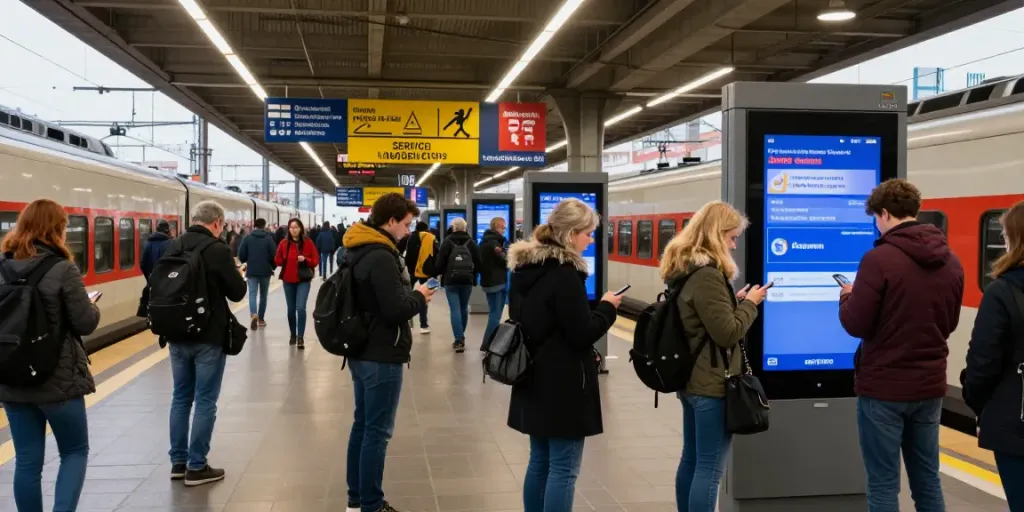
Understanding Sciopero: What You Need to Know
The term sciopero refers to a strike, a significant occurrence that impacts various sectors, especially transportation in Italy. As the nation frequently experiences strikes involving public transport—such as trains, buses, and metros—it's crucial for commuters and travelers to stay informed. Understanding the context and implications of these strikes can significantly enhance one's travel experience and help avoid unexpected disruptions. Fortunately, with tools like Sciopero, individuals can receive timely notifications about upcoming strikes across the country, ensuring they are never caught off guard.
Definition and Context of Sciopero
A sciopero is declared when workers, especially in the public sector, refuse to work as a form of protest against certain conditions or policies. In Italy, this is often organized by labor unions to address grievances related to wages, working conditions, or other employment matters. The strikes can vary in scope—from localized events affecting a single bus line to nationwide disruptions involving multiple forms of transport. Understanding this context allows travelers to prepare adequately and make informed decisions about their transportation options.
Why Are Strikes Important in Transportation?
Strikes serve as a powerful tool for workers to voice their concerns and push for change. In the transportation sector, which is fundamental to everyday life in urban and rural areas alike, strikes can bring attention to critical issues in public service. They highlight the need for better service conditions, pay, and overall well-being for transport workers. For commuters, being aware of such strikes is essential for planning, as they can disrupt schedules and affect daily commuting. Understanding the reasons behind strikes can also foster empathy and support for the workers advocating for their rights.
The Legal Framework Surrounding Scioperi
In Italy, labor laws stipulate that strikes must be announced at least 10 days in advance, providing both workers and the public time to adjust. This legal requirement is intended to minimize chaos and ensure that people have adequate warnings about disruptions. During this notice period, unions typically engage in negotiations with employers to resolve the underlying issues. The legal framework surrounding strikes not only highlights their necessity but also emphasizes the importance of transparent communication between the involved parties, ensuring that the public is kept informed.
The Mechanics of Receiving Sciopero Alerts
How Notifications Work in Real Time
App technologies have revolutionized how we receive information about scioperi. Real-time notifications provide users with immediate updates, allowing them to modify their travel plans accordingly. For instance, applications like Sciopero enable users to receive alerts at the moment a strike is announced, ensuring they are prepared well in advance. These notifications can include critical details such as the type of strike, industries affected, and potential service interruptions.
Push Notifications: A Game Changer
One of the most significant advancements in travel planning is the advent of push notifications. These alerts are tailored to individual preferences, sending updates directly to users’ devices regarding strikes that affect their selected transportation options. Users can choose to receive notifications specifically for their regions and preferred modes of transportation—whether it’s trains, buses, or metros—providing personal relevance to the alerts received.
Regional Specific Alerts: Tailoring Your Experience
Since Italy is rife with regional variations in public transportation strikes, having access to region-specific alerts enhances the user experience. Technological tools allow users to select regions of interest, receiving only the information that is pertinent to their travel plans. This level of customization ensures that individuals are not overwhelmed with irrelevant notifications, allowing for a more user-friendly approach to managing transportation logistics during strike periods.
Planning Your Travel Around Scioperi
Using Tools to Navigate Disruptions
When faced with the potential for a sciopero, utilizing tools and resources to navigate disruptions is essential. Mobile apps like Sciopero offer comprehensive services that include live maps indicating regions affected by strikes, thereby allowing users to visualize the impact on their travels. Such tools are invaluable for individuals who need to make travel arrangements or modify existing plans, as they provide real-time data and options for alternative routes.
Strategies for Scheduling Around Strikes
Effectively planning travel around strikes requires preparation and strategic thinking. Here are a few practical strategies:
- Consult Strike Calendars: Regularly check the anticipated dates and duration of planned strikes to adjust your travel schedule accordingly.
- Flexible Booking: When possible, opt for flexible travel tickets that allow changes without incurring additional fees.
- Alternative Transport Options: Research alternative transportation methods, such as car-sharing services, cycling, or walking, to mitigate the inconvenience of public transport disruptions.
Real-life Case Studies: Travelers Who Planned Ahead
Many travelers have successfully navigated scioperi by using proactive strategies. For instance, a commuter who receives timely alerts may choose to adjust their departure time or switch to a different mode of transport to avoid delays. Real-life case studies highlight the importance of being informed and prepared, showcasing how a little foresight can save considerable time and frustration.
Future Trends in Transportation Scioperi
Emerging Technologies for Better Notification Systems
As the transportation landscape evolves, so do the technologies that support passengers. Future notification systems are expected to integrate advanced data analytics and machine learning capabilities, providing even more accurate and timely alerts about strikes. These innovations may also include predictive features that anticipate potential disruptions based on historical data, enabling users to plan even better.
How AI Might Change the Landscape of Travel Alerts
Artificial Intelligence (AI) is poised to revolutionize how we receive information related to public transportation strikes. With AI, notification systems could analyze patterns and trends to deliver personalized insights that improve the travel experience. Imagine a world where AI can forecast potential strikes based on labor relations trends or provide alternative routing options that save both time and cost.
Predictions for Sciopero Impact on Travel in 2026
Looking ahead to 2026, the impact of scioperi on travel is expected to continue evolving. The integration of smart technologies in public transportation will likely lead to improved communication and increased passenger satisfaction. However, as labor movements adapt and grow, travelers may still encounter strikes as a means of negotiation. Being equipped with the right tools, such as timely notifications and a flexible mindset, will be essential to navigating these future challenges.
Common FAQs About Sciopero Notifications
What Should You Do When a Sciopero is Announced?
When a sciopero is announced, the best course of action is to stay informed. Consult reliable sources for information on the nature and duration of the strike. Adjust your travel plans accordingly and consider alternative transportation options if necessary.
How Far in Advance Are Scioperi Typically Announced?
Under Italian law, strikes must be announced at least 10 days in advance. This notice period provides both the public and service providers time to prepare and make necessary adjustments.
Can You Customize Your Sciopero Alerts?
Yes, many mobile applications offer customizable notifications that allow users to select specific regions and types of transportation they want to be alerted about. This ensures that users receive only relevant information.
What Are the Most Affected Regions in Italy?
Certain regions, particularly urban areas with high populations and extensive public transport networks, tend to be more frequently affected by scioperi. Regions such as Lombardy and Lazio, which house major cities like Milan and Rome, often experience a higher number of transport-related strikes.
Are There Alternatives to Public Transportation During a Sciopero?
Yes, during a sciopero, travelers can explore various alternatives such as carpooling, ridesharing apps, or even cycling for shorter distances. Additionally, private taxi services may offer a viable option, although they could be subject to demand surges during strike periods.