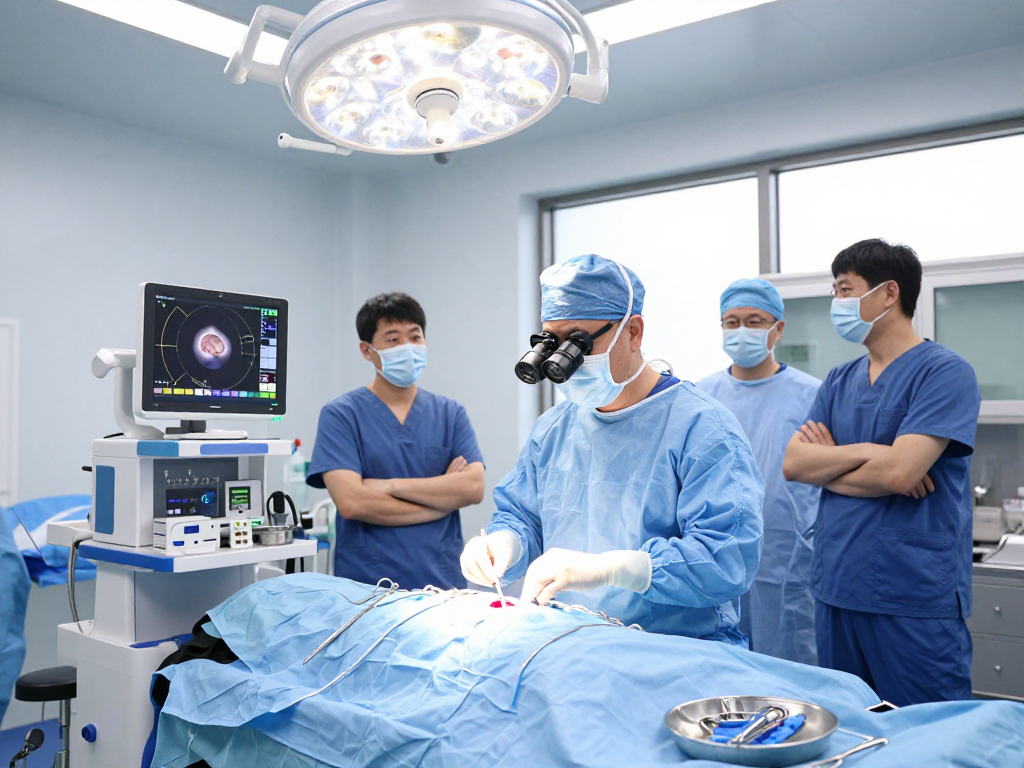
Understanding Beyin Tümörü Ameliyatı
Beyin tümörü ameliyatı, beyin sağlığını etkileyen ciddi olgularda giderek yaygınlaşan bir tedavi yöntemi olarak dikkat çekiyor. Her yıl birçok insan beyin tümörleri nedeniyle ameliyat edilirken, bu süreç, hastanın genel sağlığı ve tümörün özellikleri göz önünde bulundurularak özenle planlanmaktadır. Daha iyi sonuçlar alabilmek adına, bütün bir cerrahi sürecinin bilinmesi önem arz eder. beyin tümörü ameliyatı hakkında edindiğiniz bilgilerle, sürecin her aşamasını daha iyi anlayabilirsiniz.
What is a Brain Tumor Surgery?
Brain tumor surgery refers to the surgical procedures aimed at removing tumors located in the brain or surrounding tissues. This can involve either benign (non-cancerous) or malignant (cancerous) tumors, and the primary goal is to eliminate the tumor while minimizing risk to surrounding healthy brain tissue. The surgery can either be a curative measure or part of a broader treatment strategy, which may include radiation therapy and chemotherapy.
Types of Brain Tumors Addressed
Brain tumors can broadly be classified into several categories based on their origin, aggressiveness, and location. The most common types include:
- Meningiomas: These tumors arise from the meninges, the protective layers surrounding the brain, and are usually benign.
- Gliomas: Originating from glial cells, these include types like astrocytomas and oligodendrogliomas, with varying degrees of malignancy.
- Metastatic Tumors: These tumors originate from cancers elsewhere in the body and spread to the brain. They often indicate advanced systemic disease.
Importance of Personalized Treatment Planning
Each patient's treatment plan should be tailored to their unique circumstances, including tumor type, location, and the patient’s overall health. Personalized treatment planning increases the likelihood of positive surgical outcomes and minimizes complications. An effective strategy often requires a multidisciplinary approach, involving neurosurgeons, oncologists, radiologists, and other healthcare professionals.
Preoperative Considerations
Before undergoing brain tumor surgery, certain preparatory steps are essential to ensure both patient safety and optimal surgical outcome. These considerations help mitigate risks and prepare the patient for the surgery ahead.
Essential Steps Before Surgery
Preoperative assessments typically include a comprehensive evaluation of the patient's medical history, physical examinations, and imaging studies such as MRIs or CT scans to determine the size and location of the tumor. Patients may be advised to undergo blood tests and other diagnostic evaluations to ensure they are fit for surgery.
Risks and Benefits to Evaluate
As with any surgical procedure, brain tumor surgery presents potential risks, including but not limited to: bleeding, infection, neurological deficits, and complications from anesthesia. Evaluating these risks against the potential benefits, such as tumor removal and alleviation of symptoms, is crucial in the decision-making process.
Patient Health Assessments
Assessing a patient's overall health before surgery is paramount. Factors such as age, existing health conditions, and medications can affect surgery and recovery. Engaging in discussions with healthcare providers about these concerns can facilitate a more informed decision-making process.
The Surgical Process Explored
The surgical process for brain tumors involves several stages, from the initial consultation to postoperative care, and requires precision and expertise to ensure successful outcomes.
Stages of the Beyin Tümörü Ameliyatı
The stages of brain tumor surgery typically include:
- Preoperative Planning: Detailed imaging studies dictate the surgical approach and technique.
- Anesthesia Administration: General anesthesia is usually administered to ensure the patient is comfortable during surgery.
- Craniotomy: A section of the skull is removed to access the brain, allowing surgeons to locate and remove the tumor.
- Tumor Removal: The tumor is excised, and the surgical team takes special care to preserve surrounding healthy tissue.
- Closure: Once the tumor is removed, the skull is repaired, and the surgical area is closed.
Techniques Used in Surgery
Modern neurosurgery employs various techniques to enhance tumor removal efficacy while safeguarding neurological functions. This may include:
- Microsurgery: Using microscopic instruments, surgeons can operate with increased precision.
- Awake Craniotomy: This technique allows patients to be awake during certain parts of the procedure, enabling real-time monitoring of brain functions.
- Neuro-navigation: Advanced imaging technologies assist surgeons in visualizing the brain’s landscape during surgery.
Innovative Technologies Enhancing Safety
Recent advancements in surgical technology, including intraoperative imaging and robotic assistance, significantly improve the safety and success rates of brain tumor surgeries. These innovations allow for greater accuracy and reduced recovery times.
Postoperative Care and Recovery
Post-surgery recovery is a critical phase where monitoring and supportive care play key roles in ensuring a smooth transition to rehabilitation.
Monitoring and Follow-Up Procedures
After surgery, patients are typically monitored closely for signs of complications, such as infection or bleeding. Follow-up imaging, usually conducted within the first few days, assesses how much of the tumor was successfully removed and informs any further treatment plans.
Managing Complications
While most patients recover well, some may experience complications. Effective management of postoperative issues like pain, swelling, or neurological deficits is essential. Early identification and treatment of complications can significantly enhance recovery outcomes.
Rehabilitation and Support Systems
Rehabilitation is crucial for patients recovering from brain tumor surgery. This may involve physical therapy, occupational therapy, and speech therapy to help restore function and address cognitive deficits. Support from mental health professionals is also beneficial, as patients navigate the psychological aspects of recovery.
Future Trends in Brain Tumor Treatments
As medical technology advances, the future of brain tumor treatments looks promising, with emerging techniques revolutionizing the surgical landscape.
Emerging Technologies in Neurosurgery
Innovative technologies such as artificial intelligence and advanced imaging techniques are set to enhance surgical precision significantly. These technologies offer promising avenues for better outcomes and personalized treatment plans.
Research and Developments to Watch in 2026
Ongoing research into novel therapeutic agents and immunotherapy approaches may provide effective options for managing various types of brain tumors, particularly those that are challenging to treat.
Patient-Centered Approaches in Treatment
Future trends emphasize the importance of a patient-centered approach, ensuring that treatment plans align with patients' goals and preferences while effectively managing the disease.
What are the Common Myths About Beyin Tümörü Ameliyatı?
Various misconceptions surround brain tumor surgeries. For example, many people believe that all brain surgeries require long recovery times, but this is not universally true. Depending on the tumor type and surgical technique, some patients can resume daily activities relatively quickly.
How Long is the Recovery After Brain Surgery?
Recovery times can vary significantly based on the complexity of the surgery, the patient's overall health, and specific rehabilitation needs. Generally, patients may expect a few weeks to several months of recovery time.
How is the Success Rate of Beyin Tümörü Ameliyatı Measured?
Success rates are typically assessed based on the complete removal of the tumor, the preservation of neurological functions, and the patient's overall health post-surgery. Each of these factors plays a crucial role in defining surgical success.
What Should Patients Know About Anesthesia in Surgery?
Anesthesia is an essential component of brain surgery, ensuring patients are free from pain and awareness during procedures. Discussing concerns about anesthesia and potential side effects with the medical team can significantly ease anxiety.
What are the Warning Signs After Surgery?
Patients and their families should be vigilant for any warning signs post-surgery, including increased headache, confusion, or any changes in neurological status, and should seek immediate medical attention if these symptoms arise.. Additionally, beyin tümörü ameliyatı provides further details.