Understanding Nyonya Cuisine: A Cultural Exploration
Nyonya cuisine, often celebrated for its vibrant flavors and cultural significance, is a harmonious blend of Chinese and Malay culinary traditions. Rooted in the rich history of the Peranakan, or Straits Chinese, community, Nyonya dishes are an exploration of heritage, identity, and culinary artistry. As we delve into the world of nyonya4d, we will uncover the intricacies that define these remarkable dishes and the techniques that have been passed down through generations.
What is Nyonya Cuisine?
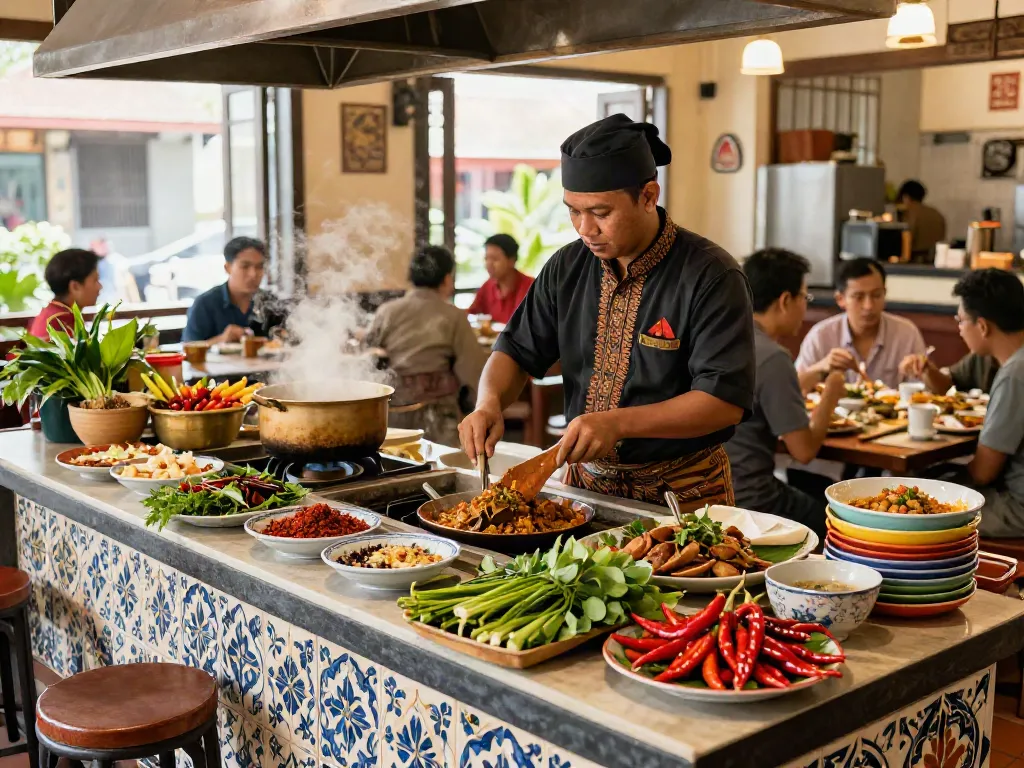
Nyonya cuisine, or Peranakan cuisine, reflects the influences of Chinese migrants who settled in the Malay Archipelago, marrying local ingredients and flavors with traditional Chinese cooking methods. This unique culinary genre showcases a vibrant palette of spices and fresh herbs, often resulting in dishes that are both visually stunning and rich in taste. From fragrant curries to complex stews, Nyonya cuisine is a celebration of flavor and culture.
The Origins and History of Nyonya Cooking
The origins of Nyonya cooking can be traced back to the early 15th century, when Chinese immigrants, known as the Straits Chinese, began to settle in Malacca, Penang, and Singapore. These migrants adapted their culinary practices to incorporate local ingredients, leading to the development of a distinctive cuisine that reflects both Chinese and Malay influences. Over the centuries, Nyonya cuisine has evolved, continuously incorporating elements of local culture and ingredients, making it a true representation of its multicultural roots.
Key Ingredients and Flavors in Nyonya Dishes
- Lemongrass: A fragrant herb that adds a citrusy note to many dishes.
- Belacan: Fermented shrimp paste, integral for achieving depth of flavor.
- Chili: Used fresh or dried, it provides heat and color.
- Tamarind: Adds a sour tang, balancing the rich flavors of the dishes.
- Coconut Milk: A staple for adding creaminess and richness.
Essential Techniques for Nyonya Cooking
Mastering Nyonya cuisine involves not only understanding the flavors but also learning the essential cooking techniques that define these dishes. Whether you're sautéing, steaming, or braising, each method plays a crucial role in the final product.
Fundamental Cooking Methods for Authentic Dishes
Several techniques are central to Nyonya cooking, including:
- Chao (Stir-frying): Quick cooking over high heat to retain the freshness of ingredients.
- Steaming: Essential for making traditional Nyonya kuih and preserving flavors and nutrients.
- Braising: Slow cooking to meld flavors together, often used in curries and stews.
Mastering Flavor Balancing in Nyonya Cuisine
Balance is key in Nyonya cuisine; a harmonious blend of sweet, sour, spicy, and salty notes is essential. Understanding how to manipulate these flavors allows cooks to recreate the depth that defines Nyonya dishes. Experimenting with ingredients like palm sugar for sweetness and vinegar for sourness can help achieve the perfect balance.
Tips for Preparing Traditional Nyonya Ingredients
When cooking Nyonya dishes, the quality and preparation of ingredients are paramount. Here are some tips:
- Choose fresh herbs and spices for the best flavor.
- Toast spices lightly to release their oils before grinding.
- Use homemade rempah (spice paste) for authenticity and freshness.
Nyonya4d: Navigating the Culinary Landscape
The Nyonya4d community plays a significant role in promoting and preserving the traditions of Nyonya cuisine. By exploring local dining options and engaging with others passionate about Nyonya food, culinary enthusiasts can broaden their understanding and appreciation of this vibrant cuisine.
How Nyonya4d Influences Modern Dining Trends
In recent years, Nyonya cuisine has gained popularity in modern dining contexts. Restaurants focusing on Nyonya dishes are popping up worldwide, often blending traditional recipes with contemporary culinary practices. This fusion not only attracts a wider audience but also ensures that the culture surrounding Nyonya cuisine remains vibrant and relevant.
Popular Nyonya4d Restaurants to Experience
For anyone seeking to experience authentic Nyonya cuisine, several notable restaurants stand out:
- Peranakan Place: A hub for traditional flavors in Singapore, offering classic dishes like laksa and ayam buah keluak.
- Auntie Lee’s: Combining heritage and hospitality, this restaurant is known for its homestyle Nyonya cooking.
- Restoran Nyonya Mak: Famous for its intricate dishes and warm atmosphere, perfect for both locals and tourists.
Engaging with the Nyonya4d Community Online
The rise of social media has allowed the Nyonya4d community to flourish online. Platforms such as Instagram and Facebook are brimming with home cooks and chefs who share their interpretations of Nyonya recipes. Engaging with these communities can provide insight into new culinary techniques and the latest interpretations of classic dishes.
Recipes to Try: Classic Nyonya Dishes
To truly appreciate Nyonya cuisine, trying out some traditional recipes is essential. Below are a few classic dishes that embody the spirit of this captivating culinary tradition.
Step-by-Step Guide to Making Laksa
Laksa is a quintessential Nyonya dish, beloved for its rich coconut curry broth and tender noodles. Follow these steps to create your own:
- Prepare the laksa paste by blending ingredients like lemongrass, turmeric, and chilies.
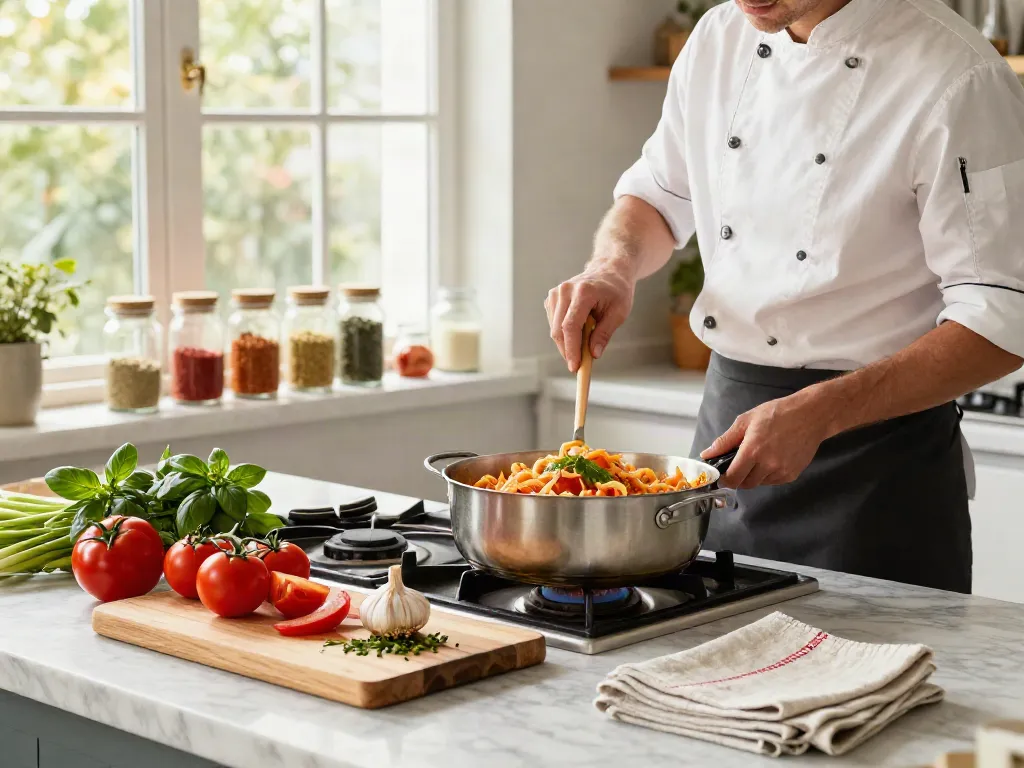
- Cook the paste in a pot with coconut milk and water, allowing it to simmer until fragrant.
- Add cooked noodles and protein of choice (such as prawns or tofu) to the broth and serve with garnishes like bean sprouts and herbs.
Delicious Nyonya Curry Recipes to Explore
Nyonya curries are a staple in this cuisine. Here’s a simple recipe for Nyonya chicken curry:
- Make a rempah by blending your spices.
- Sauté the rempah until fragrant, then add chicken pieces and cook until sealed.
- Add coconut milk and simmer until the chicken is tender and the sauce thickens. Serve with rice.
Traditional Desserts: Crafting Nyonya Kuih
Nyonya kuih, colorful and often adorned with intricate designs, are a highlight of Nyonya desserts. A popular one is ondeh-ondeh, little glutinous rice balls filled with palm sugar:
- Prepare the dough using glutinous rice flour mixed with pandan juice.
- Form balls, adding a piece of palm sugar in the center, and roll in grated coconut.
- Boil until they float, signifying they are ready. Enjoy your sweet treat!
Future Trends in Nyonya Cuisine for 2026
As we approach 2026, Nyonya cuisine is poised to evolve, reflecting global culinary trends while maintaining its traditional roots.
Emerging Ingredients and Innovative Nyonya Recipes
With an increasing focus on health and nutrition, we can expect to see Nyonya recipes incorporating superfoods like quinoa and alternative proteins. Chefs are likely to experiment with these newer ingredients while retaining the essential flavors of traditional dishes.
How Global Influences are Shaping Nyonya Cuisine
The fusion of Nyonya cuisine with other culinary traditions is growing. By experimenting with techniques and ingredients from global cuisines, chefs are creating innovative dishes that appeal to modern palates while honoring traditional practices.
The Role of Sustainability and Local Sourcing in Nyonya4d
Sustainability is becoming a crucial consideration in food trends. With a push towards locally sourced ingredients, Nyonya chefs are likely to integrate seasonal produce and sustainable practices into their cooking, enhancing the authenticity of their dishes while being environmentally conscious.
What are the fundamentals of Nyonya cuisine?
The fundamentals of Nyonya cuisine encompass the use of fresh ingredients, a balance of flavors, and traditional cooking methods that highlight the best of both Chinese and Malay culinary traditions.
How can I master Nyonya cooking techniques?
Mastering Nyonya cooking techniques involves practice and experimentation. Joining cooking classes or online workshops, and engaging with the Nyonya4d community can provide valuable insights and hands-on experience.
What are the best restaurants to experience authentic Nyonya cuisine?
Some of the best places to experience authentic Nyonya cuisine include Peranakan Place, Auntie Lee’s, and Restoran Nyonya Mak.
How do I engage with the Nyonya4d community?
Engaging with the Nyonya4d community can be achieved through social media platforms, food events, and culinary workshops that focus on Nyonya cooking.
What are the latest trends in Nyonya cuisine for 2026?
Latest trends for 2026 in Nyonya cuisine will likely revolve around incorporating health-conscious ingredients, innovative fusion dishes, and a focus on sustainability within the culinary landscape.