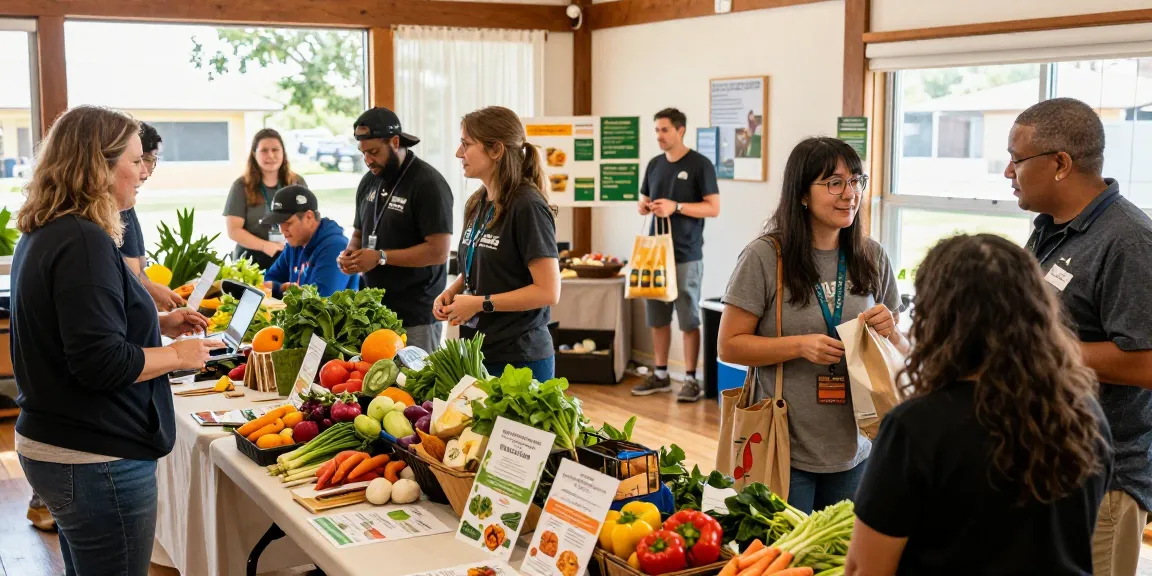
The Importance of Local Food Cooperatives
Local food cooperatives play a vital role in fostering sustainable food systems and enhancing community resilience. With a focus on fresh, locally sourced products, these cooperatives address various challenges related to food access and nutrition. In the context of our Sonoma Springs Community Hall initiatives, particularly with programs like the Farmer's Friend, we are witnessing firsthand the positive impact of cooperative efforts in feeding our community. When exploring options, springshall.org provides comprehensive insights into how local partnerships can thrive.
What is a Local Food Cooperative?
A local food cooperative is a member-owned business that focuses on distributing locally produced food. Unlike traditional grocery stores, these cooperatives typically prioritize organic, sustainable practices and fairness in pricing. Members buy shares, allowing them to have a stake in the cooperative, which not only enhances food access but also promotes local economic support. This model fosters a sense of community while ensuring that the food is harvested and distributed ethically.
The Role of Community in Food Access
Communities are the cornerstone of food cooperatives. By pooling resources and sharing knowledge, community members can improve access to healthy foods. Local food cooperatives often provide educational resources about nutrition and cooking, empowering individuals to make healthier dietary choices. The collaboration among local farmers, volunteers, and consumers creates a robust support system that can adapt to the changing needs of the community.
Health Benefits of Local Produce
One of the primary advantages of food cooperatives is the availability of fresh, organic produce. Local fruits and vegetables are often harvested at their peak ripeness, ensuring superior flavor and nutritional value. Additionally, consuming locally sourced foods can lead to better health outcomes by reducing reliance on processed foods. Food cooperatives also promote seasonal eating, which supports both health and environmental sustainability.
Recent Initiatives at Sonoma Springs Hall
The Sonoma Springs Hall has been a vibrant hub for various community-driven initiatives aimed at improving food access. With projects like the Farmer's Friend program and collaborations with local farms, we are making significant strides toward a healthier community. Recent efforts have included food distributions that connect surplus local produce with families in need.
Overview of the Farmer’s Friend Program
The Farmer’s Friend program was initiated as a response to the increased demand for food assistance during challenging times. By partnering with local farms, the Springs Hall has distributed thousands of pounds of fresh produce to families facing food insecurity. This program not only alleviates hunger but also supports local agriculture by providing farmers with a reliable outlet for their products, reinforcing the interconnectedness of our local food system.
Partnerships with Local Farms
Collaboration is key to the success of the Farmer's Friend program. Partnerships with local farms such as Oak Hill Farm and Paul’s Produce have enabled the Hall to source a wide variety of organic produce. These partnerships also allow for educational collaborations, where farmers can share their knowledge about sustainable practices and the benefits of local food systems with community members.
Volunteer Contributions to Food Distribution
Volunteers are the lifeblood of our food distribution efforts at Sonoma Springs Hall. Their contributions range from gleaning produce from local farms to assembling packages for distribution. Community members, alongside organizations like Food For All, work tirelessly to ensure that fresh produce reaches households in need. This volunteer engagement not only enhances food access but also strengthens community bonds.
Challenges Faced by Food Cooperatives
Despite their many benefits, local food cooperatives face several challenges that can hinder their effectiveness. Understanding these barriers is crucial for developing strategies to overcome them and ensure the sustainability of these essential services.
Barriers to Accessing Local Produce
Accessing local produce can be hindered by various factors such as transportation issues, lack of knowledge about food cooperatives, and economic constraints. Some community members may live in food deserts, where fresh produce is hard to come by. Additionally, outreach efforts may not reach all segments of the population, especially vulnerable groups who would benefit the most from local food resources.
Community Outreach and Education Efforts
Effective community outreach is necessary to educate residents about the benefits of local food cooperatives. Initiatives like cooking classes, nutrition workshops, and informational sessions can help bridge knowledge gaps. By promoting awareness of food cooperatives and their offerings, communities can empower individuals to make informed choices about their food sources.
Funding and Sustainability Issues
Financial sustainability is a common concern for food cooperatives. Many rely on grants, donations, and membership fees to operate. As demand grows, securing consistent funding becomes increasingly important. Establishing strong community support and exploring innovative funding mechanisms can enhance the long-term viability of food cooperatives.
How to Get Involved with Springs Hall Initiatives
Getting involved with the Springs Hall initiatives is a great way to contribute to the community and support local food access programs. There are various ways to participate, each playing a vital role in enhancing food security and promoting sustainability.
Volunteer Opportunities Available
Volunteering at Sonoma Springs Hall presents countless opportunities to contribute. Whether it’s assisting with food distributions, participating in community events, or helping with administrative tasks, volunteers are always welcome. Engaging in these activities not only benefits the community but also provides valuable experiences and connections.
Donation Information for Support
Donations play a crucial role in sustaining programs like Farmer's Friend. Contributions go directly to supporting local farms and ensuring that fresh produce can reach those in need. Community members can donate through various channels, including online platforms or by sending checks directly to the Hall.
Upcoming Events and Participation
Stay informed about upcoming events at Sonoma Springs Hall by subscribing to newsletters and following social media updates. Participating in events such as the PopUp Market, where community members can purchase local goods, not only supports local farmers but also fosters a sense of community. Keep an eye on the calendar for fun family-friendly events and opportunities to get involved.
Future Trends in Community Food Programs
The landscape of community food programs is rapidly evolving, influenced by trends in consumer preferences, technological advancements, and societal changes. Understanding these trends can help inform future strategies for food cooperatives.
The Growing Demand for Local Food Sources
As awareness of sustainability issues grows, more consumers are prioritizing local food sources. This shift creates opportunities for food cooperatives to thrive as more people seek to connect with their food. The emphasis on local foods also aligns with increased interest in supporting local economies and reducing carbon footprints.
Innovative Solutions for Food Distribution
Technology is paving the way for innovative solutions in food distribution. Mobile apps and online platforms facilitate direct connections between consumers and local farmers, enhancing accessibility. Initiatives like community-supported agriculture (CSA) are blossoming, allowing consumers to subscribe to regular deliveries of fresh produce.
Predictions for Food Cooperatives in 2026 and Beyond
Looking ahead to 2026, food cooperatives will likely see expanded membership bases and a greater emphasis on community engagement. As technology continues to influence consumer behavior, integrating online platforms for ordering and distribution will be crucial. Cooperatives that adapt to evolving consumer needs will be best positioned for success.
What Makes a Successful Cooperative?
A successful food cooperative is characterized by strong community engagement, transparency, and effective communication. Establishing a clear mission that resonates with the community enhances member buy-in and participation. Furthermore, a focus on sustainability and ethical practices helps build trust among consumers, fostering loyalty within the cooperative.
How Technology is Shaping Food Access
Technology's role in food access is significant, with innovations ranging from online marketplaces for local produce to apps that connect consumers with food banks. These tools have the potential to streamline food distribution and improve accessibility, particularly for underserved populations. Embracing technology will be essential for food cooperatives as they navigate the future.