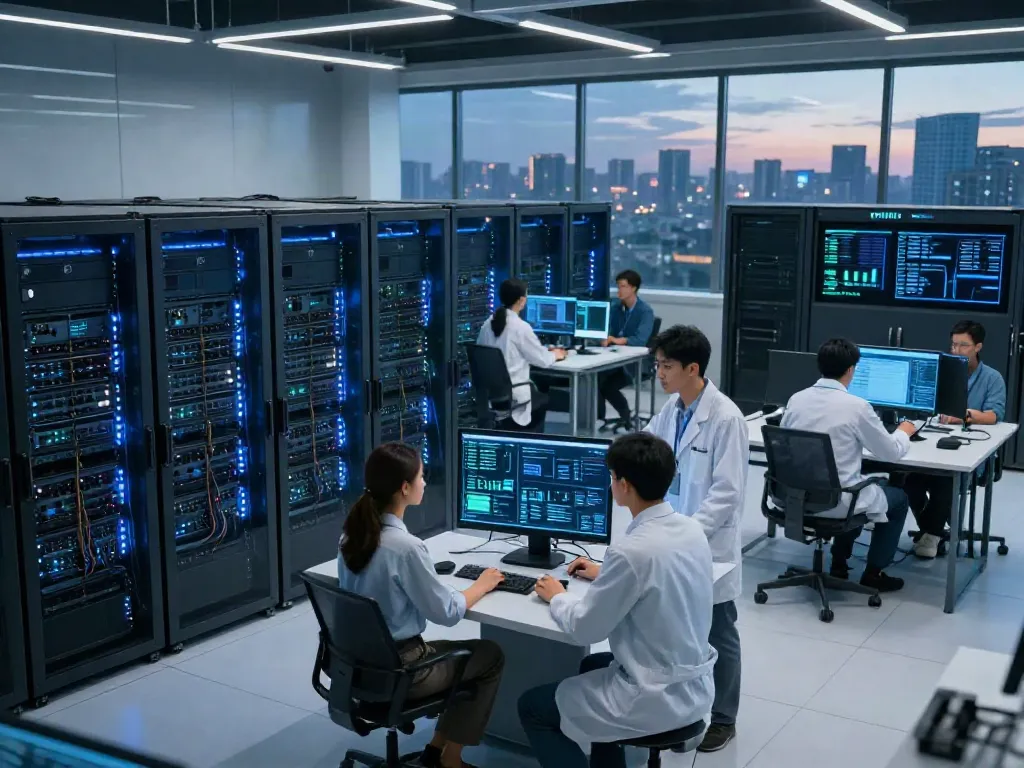
Understanding AI Data Centers
In the digital age, the evolution of data centers has given rise to a specialized breed known as AI data centers. These facilities are designed to tackle the unique demands of artificial intelligence and machine learning applications, providing the necessary infrastructure to support advanced computational processes. As industries increasingly leverage AI technologies, the role of these data centers becomes more pivotal in streamlining operations and enhancing performance. When exploring options, AI data center provide comprehensive insights into how power resources are efficiently utilized to achieve optimal AI functionality.
What is an AI Data Center?
An AI data center is a facility specifically engineered to accommodate the high-performance computing requirements essential for developing and deploying AI applications. Unlike traditional data centers that primarily support general computing needs, AI data centers are optimized for running complex algorithms and processing vast amounts of data through intensive workloads.
Key Components of AI Data Centers
AI data centers comprise several key components that distinguish them from conventional facilities, including:
- High-Density GPU Servers: GPU servers are critical for AI applications as they offer the parallel processing power needed to handle multiple tasks simultaneously.
- Advanced Cooling Systems: Given the high energy and heat output from GPU operations, AI data centers utilize sophisticated cooling technologies to maintain optimal operating conditions.
- Robust Networking Infrastructure: AI applications require rapid data transmission capabilities, necessitating advanced networking solutions that enhance connectivity and reduce latency.
- Scalable Architecture: The ability to scale resources efficiently is vital for accommodating fluctuating AI workloads and processing demands.
The Role of GPUs in AI Infrastructure
Graphics Processing Units (GPUs) are at the heart of AI data center operations. Their architecture is uniquely suited for the parallel processing tasks that AI workloads demand. GPUs accelerate machine learning processes by performing multiple calculations simultaneously, making them indispensable for training complex models and executing inference tasks efficiently.
How AI Data Centers Impact the AI Token Economy
The integration of AI data centers into the AI Token Economy is transforming how businesses and individuals interact with AI technologies. As these data centers support the computational requirements of AI services, they also facilitate a new economic model centered around digital tokens that measure resource usage.
Token-Metered Services Explained
In the context of AI data centers, token-metered services refer to the system where users pay for AI operations based on the amount of computational resources consumed. Each interaction with an AI model, such as a query or a request, generates input tokens and results in output tokens, quantifying the resources utilized during these processes. This model aligns economic incentives by allowing users to pay only for what they consume.
The Contribution of Power to AI Operations
Power is the lifeblood of AI data centers, driving the immense computational tasks that AI models require. Without a reliable and scalable power supply, the potential of AI applications cannot be harnessed effectively. Therefore, power contribution becomes a key measure of value within the AI Token Economy, impacting how rewards are calculated and distributed among participants.
Measuring AI Workloads and Rewards
To ensure fairness in the AI Token Economy, it is crucial to establish transparent methods for measuring AI workloads and the corresponding rewards. This involves tracking the performance of AI operations based on the power consumed and the output generated, ultimately allowing participants to receive rewards proportional to their contributions.
Challenges in Building Efficient AI Data Centers
Despite the advancements in AI data center technologies, several challenges persist that can hinder efficiency and sustainability. Addressing these hurdles is essential for the continuous growth and viability of AI infrastructures.
Power Consumption and Sustainability Issues
AI data centers tend to consume vast amounts of electricity due to their reliance on high-performance computing resources. This leads to concerns about sustainability, particularly with respect to carbon footprints and environmental impacts. Implementing renewable energy sources and optimizing power usage are crucial steps toward mitigating these concerns.
Scalability and Infrastructure Costs
Scalability is a significant challenge for AI data centers, primarily due to the high costs associated with expanding existing infrastructures. As demand for AI services grows, data centers must evolve to accommodate increased workload without compromising performance or exceeding operational budgets.
Environmental Impact and Community Concerns
The construction and operation of AI data centers can have profound effects on local environments and communities. Issues such as increased local traffic, resource consumption, and potential damage to ecosystems can raise community opposition. Stakeholders must engage with communities to address concerns and aim for responsible development practices.
Best Practices for Optimizing AI Data Centers
To enhance the efficiency and sustainability of AI data centers, operators can adopt a variety of best practices aimed at optimizing energy use and operational performance.
Improving Energy Efficiency
Implementing energy-efficient technologies and practices is fundamental in reducing the operational costs associated with AI data centers. Techniques such as utilizing energy-efficient hardware, optimizing cooling systems, and employing advanced power management tools can dramatically improve overall efficiency.
Implementing Smart Resource Management
Smart resource management involves using data analytics and machine learning techniques to automate resource allocation and optimization in AI data centers. By analyzing workloads and performance patterns, data centers can dynamically adjust resource distribution to meet demand effectively.
Utilizing Advanced Cooling Technologies
With the significant heat generated by high-density GPU operations, utilizing advanced cooling technologies such as liquid cooling, free cooling, and phase-change cooling systems can enhance operational efficiency and reduce energy consumption.
The Future of AI Data Centers: Trends and Predictions for 2026
As we look toward the future, several trends are shaping the development of AI data centers, driven by technological advancements, economic demands, and evolving market needs.
Emerging Technologies Driving Change
Emerging technologies such as quantum computing, edge computing, and advanced machine learning algorithms are expected to revolutionize the capabilities of AI data centers. These technologies will enable more efficient processing, reduced latency, and heightened data analysis, further catalyzing AI's integration into various sectors.
Regional Developments and Global Infrastructure
Geographical disparities in infrastructure development will continue to impact the growth of AI data centers. Regions with supportive policy frameworks, abundant renewable resources, and technological innovation hubs are likely to become centers for AI infrastructure development.
The Evolving Role of AI in Data Management
As AI technologies advance, their role in data management will grow, leading to enhanced automation, predictive analytics, and smarter decision-making processes. AI data centers will increasingly contribute to this evolution by providing the backbone for sophisticated data processing operations.
What is the AI data center?
AI data centers are specialized facilities designed to support the extensive computational requirements associated with AI and machine learning applications, making them essential for powering modern technological infrastructure.
Where are most AI data centers located in the US?
The majority of AI data centers in the United States are concentrated in regions known for technological innovation, such as Silicon Valley in California, the Seattle metropolitan area, and parts of Texas, including Austin and Dallas.
Who is the largest AI data center?
As of 2026, the title of the largest AI data center is often contested among several key players, with major tech giants like Google and Microsoft leading in terms of capacity and advanced infrastructure tailored for AI applications.
What does Trump say about data centers?
Past discussions surrounding data centers by political leaders, including former President Trump, have primarily focused on issues related to jobs, economic development, and the importance of securing technological leadership on the global stage.