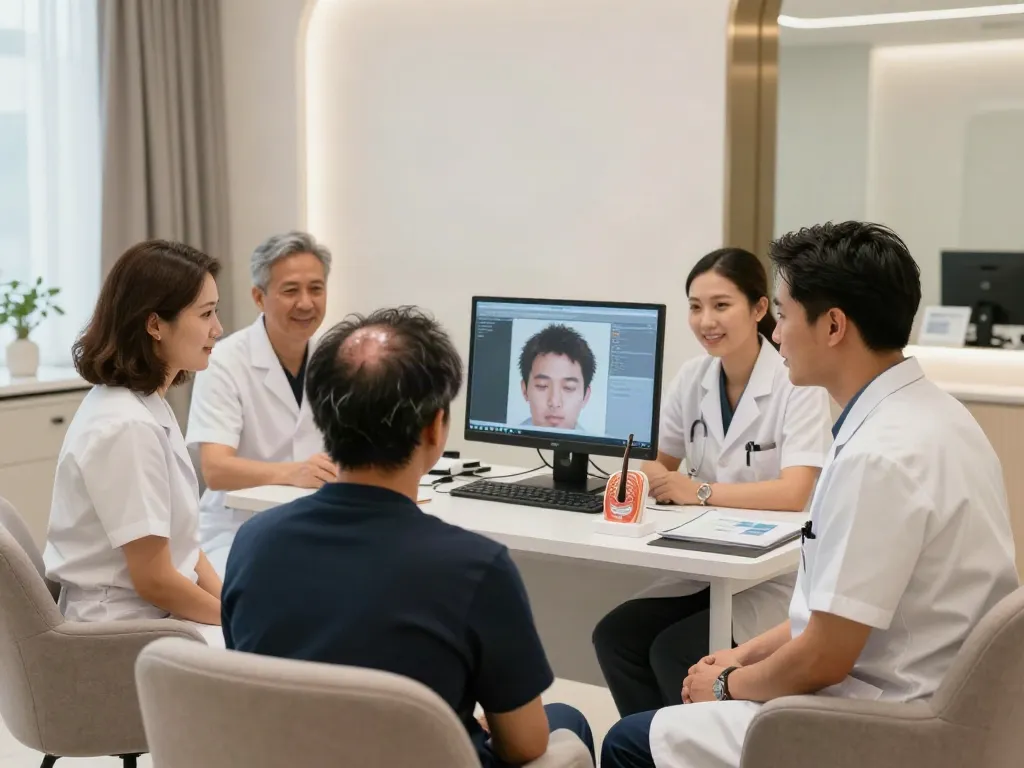
Understanding Hair Transplant Procedures in Malaysia
Hair transplants have gained significant traction as an effective solution for hair loss in Malaysia, providing natural-looking results with minimal recovery time. A hair transplant involves the relocation of healthy hair follicles from a donor area to areas where hair thinning or balding is present. With the rise of advanced techniques such as Follicular Unit Extraction (FUE) and Direct Hair Implantation (DHI), patients can achieve dense, scar-free results that enhance their overall appearance. When exploring options, Hair Transplant Malaysia offers comprehensive insights into the best practices and techniques available today.
What Is a Hair Transplant?
A hair transplant is a surgical procedure designed to address hair loss by transferring hair follicles from a donor site—typically located on the back or sides of the scalp where hair is more resilient—to the balding or thinning areas of the scalp. This method is particularly effective for treating androgenetic alopecia, commonly referred to as male or female pattern baldness. The transplanted hair follicles retain their genetic resistance to hair loss, resulting in a natural look and permanent hair restoration.
Types of Hair Transplant Techniques
In Malaysia, various hair transplant techniques are employed to cater to different patient needs and conditions. The most common methods include:
- Follicular Unit Extraction (FUE): This technique involves extracting individual hair follicles directly from the donor area using a specialized punch tool, minimizing scarring.
- Follicular Unit Transplantation (FUT): Also known as the strip method, FUT involves removing a strip of scalp containing hair follicles, which are then dissected and transplanted to the recipient site.
- Direct Hair Implantation (DHI): This advanced method uses a pen-like instrument to implant follicles directly into the scalp with minimal handling, enhancing graft survival rates.
- Robotic Hair Transplant: This cutting-edge technique utilizes robotic systems for follicle extraction, providing precision and consistency, especially in large transplantation sessions.
Benefits of Choosing Hair Transplant Malaysia
Malaysia has become a preferred destination for hair restoration due to its competitive pricing, advanced surgical techniques, and highly trained specialists. Patients can expect:
- Cost-effective procedures—averaging between RM8,000 to RM30,000, significantly lower than in countries like the US and Europe.
- Access to accredited clinics with experienced surgeons.
- Comprehensive pre- and post-operative care to ensure optimal results.
SMART™ FUE Technique Explained
The SMART™ FUE technique represents the forefront of hair restoration technology, combining advanced methods with a focus on patient safety and satisfaction. This doctor-led procedure has gained popularity due to its effectiveness and minimal downtime.
How FUE Works for Hair Restoration
In the FUE method, individual hair follicles are harvested separately from the donor site and carefully implanted into thinning areas. The procedure is typically performed under local anesthesia and can take anywhere from four to eight hours, depending on the number of grafts required. The meticulous nature of this technique allows for precise placement, ensuring a natural hairline.
Advantages of SMART™ FUE
The SMART™ FUE technique boasts several advantages:
- Scar-free results: Unlike traditional removal methods, FUE leaves minimal scarring, making it ideal for those who prefer shorter hairstyles.
- Faster recovery: Patients can generally return to normal activities within a few days post-surgery.
- Natural-looking results: The technique allows for greater control over hair angle, density, and placement, ensuring that the final results blend seamlessly with existing hair.
Expected Results from the SMART™ FUE
Most patients will begin to see noticeable hair growth within 3 to 6 months post-procedure, with full results typically visible at around 12 to 18 months. The transplanted hair is permanent and continues to grow naturally, providing a long-lasting solution to hair loss.
Evaluating Hair Transplant Costs
Understanding the financial aspects of hair transplantation is crucial for prospective patients. Prices can vary significantly based on factors such as the number of grafts required, the chosen technique, and the clinic’s reputation.
Understanding Pricing Models in Malaysia
Hair transplant costs in Malaysia typically range from RM5 to RM15 per graft. Many clinics offer package deals that can include consultations, post-operative care, and follow-up visits. It's essential to clarify what is included in the price to avoid unexpected costs.
Factors Influencing Hair Transplant Cost
Several factors can impact the overall cost of a hair transplant procedure:
- Technique used: FUE may cost more per graft than FUT due to its advanced methodology.
- Experience of the surgeon: Highly regarded surgeons with extensive experience may charge a premium for their expertise.
- Number of grafts: The total cost will rise with the number of grafts needed to achieve the desired results.
- Clinic location: Prices may vary between urban and rural areas, with clinics in larger cities typically having higher fees.
Financing Options and Insurance Coverage
Most hair transplant procedures are considered cosmetic and therefore are not covered by insurance. However, many clinics offer flexible financing options to assist patients in managing costs. Individuals interested in financing should inquire with their chosen clinic about available plans that suit their financial needs.
Who Is an Ideal Candidate for Hair Transplant?
Identifying suitable candidates for hair transplants is essential for maximizing the success of the procedure. The ideal candidates generally have:
Signs of Hair Loss to Look Out For
Common indicators of hair loss can include:
- Noticeable thinning on the crown or top of the head.
- Receding hairline that creates an "M" shape.
- Increased hair shedding, especially in the shower or on pillows.
- Bald patches or spots that continue to expand.
Assessing Candidacy for Hair Transplant
Ideal candidates typically exhibit stable hair loss patterns and have sufficient donor hair to achieve the desired coverage. A thorough examination by a qualified surgeon during the initial consultation can help determine the best approach and expected outcomes.
Consultation Recommendations
Before undergoing a hair transplant, potential patients should schedule a consultation with a qualified specialist. During this visit, important factors such as hair type, scalp condition, and personal hair restoration goals will be assessed, ensuring a tailored treatment plan.
Future Trends in Hair Restoration
As hair restoration technology continues to evolve, several trends are emerging that can significantly influence the landscape of hair transplant procedures.
Innovations in Hair Transplant Techniques
The industry is seeing a shift towards more minimally invasive techniques, including enhanced robotic-assisted procedures and stem cell treatments. These emerging technologies promise improved results, reduced recovery times, and better overall patient experiences.
Projected Market Growth for Hair Transplants in Asia
With increasing awareness and acceptance of cosmetic procedures, the demand for hair transplants is expected to grow significantly across Asia over the coming years. This trend is driven by the rising incidence of hair loss in both men and women, along with the improvement in surgical techniques.
Consumer Expectations for 2026 and Beyond
As the market evolves, consumers will increasingly seek out clinics that provide transparent pricing, excellent patient care, and proven results. Personalization of treatment plans to cater to individual needs is likely to become a standard practice.
What Is the Duration of a Hair Transplant Procedure?
The duration of a hair transplant procedure can vary depending on the number of grafts being placed but typically lasts between 4 to 8 hours. More extensive cases may require multiple sessions to achieve optimal results.
What Can You Expect During Recovery?
After a hair transplant, patients may experience mild swelling, redness, or discomfort in the treated areas. Most individuals can return to their normal activities within a few days, but it’s common for the transplanted hair to fall out within a few weeks, which is a normal part of the growth cycle. New hair growth typically begins around 3 months post-procedure and continues to improve over the next year.