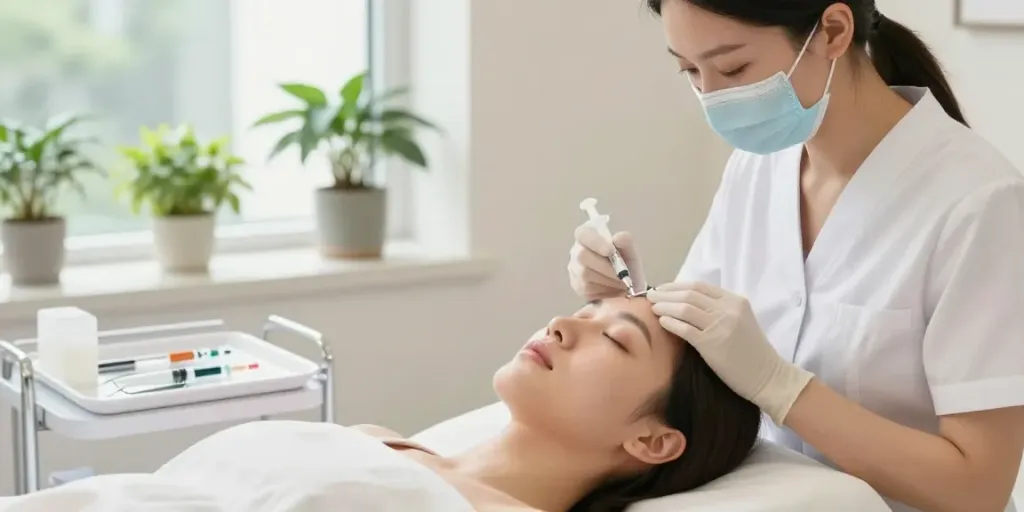
Understanding Hair Transplant Turkey: The Basics
As international demand for hair restoration solutions surges, Turkey has emerged as a leading destination for hair transplants. With its blend of advanced techniques, competitive pricing, and skilled professionals, the country offers transformative solutions for those troubled by hair loss. In this article, we will explore the basics of hair transplants in Turkey, covering essential information from types of procedures to the benefits of choosing Turkey as your destination. When exploring options, hair transplant turkey provides comprehensive insights into available treatments and clinics.
What is a Hair Transplant?
A hair transplant is a surgical procedure that involves transferring hair follicles from a donor site, usually the back or sides of the head, to areas experiencing thinning or balding. The goal is to restore a fuller, natural-looking hairline. This procedure has gained popularity due to its effectiveness and the permanence of results compared to other hair restoration methods.
Types of Hair Transplants Available in Turkey
There are two primary techniques for hair transplantation that are widely used in Turkey: Follicular Unit Extraction (FUE) and Direct Hair Implantation (DHI).
- Follicular Unit Extraction (FUE): This technique involves extracting individual hair follicles from the donor area and implanting them into the balding area. FUE is minimally invasive, leaving tiny scars that are virtually invisible.
- Direct Hair Implantation (DHI): Similar to FUE, DHI uses a specialized tool to extract and implant hair follicles in one step, allowing for greater precision and control over the angle and direction of hair growth.
Benefits of Choosing Turkey for Hair Restoration
Turkey has become synonymous with high-quality hair transplant surgeries, and here are some reasons why:
- Cost-Effectiveness: Compared to Western countries, hair transplants in Turkey are often significantly cheaper due to lower living costs and competitive pricing among clinics.
- Expertise: Many Turkish clinics employ highly skilled surgeons who have undergone specialized training and have years of experience in hair restoration.
- Innovative Techniques: Turkish clinics consistently adopt the latest technologies and procedures, ensuring patients receive the best care.
- Comprehensive Packages: Many clinics offer all-inclusive packages that include accommodations, transportation, and post-operative care.
Preparing for Your Hair Transplant Journey
Consultation Process: What to Expect
The journey begins with a comprehensive consultation, often conducted virtually or in-person, where the surgeon will assess your hair loss, discuss your goals, and determine the most suitable procedure for you. Patients should come prepared with questions about the techniques, recovery time, and potential results.
Choosing the Right Clinic: Key Considerations
Selecting the right clinic is crucial for a successful hair transplant. Key considerations include:
- Credentials: Ensure the clinic is licensed and the surgeons are certified with relevant experience in hair restoration.
- Reviews and Testimonials: Look for reviews from previous patients to gauge the quality of service and results.
- Facility Standards: The clinic should meet high standards of hygiene and patient care, with advanced technology available.
Understanding Costs and Financing Options
The cost of hair transplants in Turkey varies widely based on the technique used, the extent of hair loss, and the clinic's reputation. However, most patients find that even the high-end options are much more affordable than in their home countries. Many clinics also provide financing options to help ease the financial burden.
Techniques and Procedures in Hair Transplantation
Follicular Unit Extraction (FUE) Explained
FUE has become the gold standard in hair transplantation. The procedure begins with the extraction of individual hair follicles using a small punch tool. These follicles are then carefully implanted in the recipient area, following the natural hair growth pattern to achieve a seamless appearance. Patients typically experience minimal discomfort and can return to normal activities within a few days.
Direct Hair Implantation (DHI): An Overview
DHI allows for greater precision in hair placement. In this technique, the hair follicles are extracted in the same manner as FUE but are implanted using a specialized pen-like tool, which helps to create a more natural look. This method is particularly advantageous for those with limited donor hair or who want to achieve a specific hairline design.
Post-Procedure Care: Ensuring Success
Post-operative care is crucial for optimal results after a hair transplant. Patients are advised to follow specific guidelines, including avoiding strenuous activities, protecting the scalp from sun exposure, and refraining from washing hair for a few days. Regular follow-ups with the clinic are important to monitor healing and hair growth progress.
Addressing Common Concerns and Misconceptions
Is Hair Transplant Safe? Debunking Myths
Many prospective patients worry about the safety of hair transplants, often influenced by myths. In reality, hair transplants are considered safe when performed by qualified professionals. The techniques used today have advanced significantly, reducing risks and improving recovery times.
Expected Results Timeline after Treatment
Understanding the timeline for hair growth is essential for managing expectations. After a hair transplant, it is normal for the transplanted hair to fall out within the first few weeks, as this is part of the shedding process. New hair growth usually begins around three to four months post-procedure, with full results visible within 12 to 18 months.
Handling Expectations: What Can You Achieve?
While hair transplants can deliver impressive results, it's vital for patients to have realistic expectations. Factors such as the extent of hair loss, the quality of donor hair, and individual healing responses will influence final outcomes.
Future Trends in Hair Restoration in 2026
Advancements in Technology and Techniques
The field of hair restoration is evolving rapidly. By 2026, we expect to see advancements like robotic-assisted surgeries and the use of stem cell therapies gaining traction, potentially offering more effective and less invasive options for patients.
Patient Stories: Successes and Innovations
As more individuals share their hair transplant journeys, the focus on real-life success stories plays a crucial role in shaping perceptions. Innovations in techniques and patient experiences will continue to inspire confidence in those seeking hair restoration solutions.
Emerging Trends: What to Look Out For
Looking ahead, emerging trends such as personalized hair loss solutions, genetic testing for hair restoration, and enhanced post-operative care techniques are set to revolutionize the industry, making hair restoration more accessible and effective for diverse patient needs.
What is the recovery time for a hair transplant?
Typically, recovery time for hair transplants ranges from a few days to two weeks, depending on the individual and the technique used. Most patients can return to light activities within a few days, while full recovery may take up to a year.
Are hair transplants permanent?
Yes, hair transplants are generally considered a permanent solution because the transplanted hair follicles are resistant to the hormone responsible for male or female pattern baldness.
How do I choose the best clinic in Turkey?
To choose the best clinic in Turkey, research their credentials, read patient reviews, evaluate the technology they use, and schedule consultations to gauge their approach and patient care.
What are the potential risks of hair transplantation?
While hair transplants are mostly safe, potential risks can include infection, scarring, and unnatural-looking hair growth if not performed correctly. Consulting with a qualified surgeon can minimize these risks.
Can I travel immediately after a hair transplant?
Traveling after a hair transplant is possible, but patients are advised to wait at least 48 hours post-procedure before flying to ensure initial healing and to avoid potential complications.