
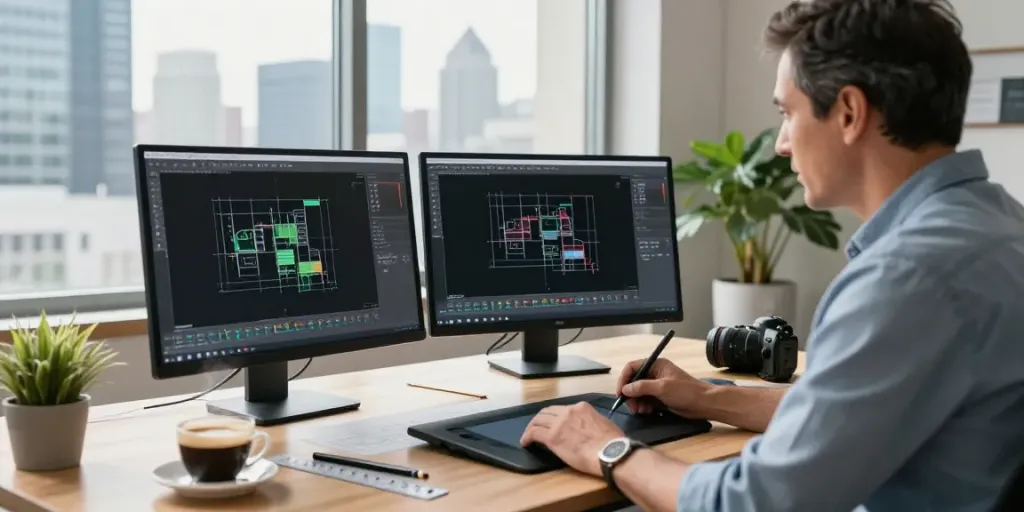
Understanding Freelance Architectural Drafting
In today’s fast-paced architectural environment, the need for precise and efficient drafting has surged, leading many architects and firms to seek out skilled professionals who can adapt swiftly to projects. Freelance architectural drafting has emerged as a vital service, connecting architects with talented drafters who provide essential support. When exploring options, freelance architectural drafting serves as an effective solution for firms needing expertise without the constraints of permanent hiring.
What Is Freelance Architectural Drafting?
Freelance architectural drafting refers to the practice of hiring skilled drafters on a temporary or project basis to assist in creating building plans, models, and designs. These professionals often work remotely, providing flexibility for both the drafter and the architectural firm. Freelancers utilize various software tools to produce two-dimensional (2D) and three-dimensional (3D) designs, enhancing productivity and allowing firms to scale operations according to demand.
The Role of Freelance Drafters in Modern Architecture
Architectural drafters play a crucial role in bringing architects' visions to life. In modern architecture, where speed and precision are paramount, freelance drafters provide essential services, including:
- Creating detailed CAD drawings and blueprints
- Developing architectural models using Building Information Modeling (BIM) software
- Assisting in project documentation and compliance checks
- Providing revisions and updates on design plans
By leveraging the skills of freelance drafters, firms can focus on core responsibilities while ensuring quality output in their designs.
Key Skills Required for Success in Freelance Drafting
To excel as a freelance architectural drafter, certain skills and competencies are essential:
- Proficiency in CAD software: Knowledge of tools such as AutoCAD, ArchiCAD, and Revit is crucial.
- Understanding of architectural principles: Familiarity with building codes, zoning laws, and regulations is necessary.
- Attention to detail: Precision in measurements and design elements is vital for quality drafting.
- Excellent communication: Strong skills facilitate effective collaboration with architects and clients.
- Project management: The ability to manage time effectively and meet deadlines is key.
Historical Perspective on Architectural Drafting
How Drafting Practices Have Changed Over Decades
Architectural drafting has seen significant transformations from traditional methods to modern digital techniques. Decades ago, drafters relied heavily on manual drawing tools like compasses, rulers, and large sheets of paper. This labor-intensive approach, while effective, was time-consuming and prone to errors. The introduction of computer-aided design (CAD) in the late 20th century revolutionized the industry, drastically improving efficiency and precision.
Technological Advancements Impacting Drafting
The shift to digital drafting has been driven by continuous technological advancements. Innovations such as 3D modeling, cloud computing, and mobile apps have enhanced accessibility to drafting tools, allowing freelance drafters to work on projects from virtually anywhere. These technologies have also fostered greater collaboration among teams dispersed globally, facilitating real-time updates and changes.
From Paper to Digital: The Evolution of Tools
Transitioning from paper to digital platforms has not only streamlined workflows but has also enhanced the quality of architectural outputs. Modern drafting tools offer advanced functionalities, such as rendering, simulation, and dynamic adjustments, making it easier for freelance drafters to create visually appealing and technically sound designs.
Current Trends in Freelance Architectural Drafting
Popular Software and Tools in Use Today
As technology evolves, so do the tools used by freelance drafters. Some of the most popular software programs include:
- AutoCAD: A staple in the industry for 2D and 3D drafting.
- Revit: Ideal for BIM projects, focusing on building performance and collaboration.
- SketchUp: Useful for initial design concepts and modeling.
- Archicad: Favored for its BIM capabilities and user-friendly interface.
Utilizing these tools allows freelance drafters to produce high-quality work efficiently, responding to the increasing demands of architectural projects.
Remote Work and Its Impact on Freelance Opportunities
The rise of remote work has opened new avenues for freelance architectural drafters. With many architectural firms embracing flexible working arrangements, freelance drafters can now connect with clients globally. This shift has led to a more competitive landscape, where quality and speed are essential for securing contracts.
Freelance vs In-House: Pros and Cons
Choosing between freelance drafters and in-house teams carries distinct advantages and disadvantages:
- Freelance Drafters:
- In-House Drafters:
This analysis highlights the need for architectural firms to weigh their options carefully based on project requirements and financial considerations.
Challenges Freelance Drafters Face in 2026
Common Obstacles and How to Overcome Them
Freelance drafters encounter various challenges in their careers, including competition, client acquisition, and fluctuating workloads. To navigate these hurdles:
- Build a strong portfolio: Showcase a diverse range of projects to attract potential clients.
- Network actively: Engage in industry events to establish connections and find new opportunities.
- Maintain skills: Continuously update software knowledge and design trends to remain competitive.
The Challenge of Staying Updated with Technology
With technology evolving rapidly, freelance drafters must invest time in learning new tools and techniques. This can be achieved through online courses, webinars, and tutorials focused on emerging architectural design software and methodologies.
Addressing Client Expectations and Communication
Effective communication is crucial in meeting client expectations, particularly when working remotely. Freelance drafters should establish clear communication channels, set expectations early in the project, and provide regular updates to ensure alignment with client goals.
The Future of Freelance Architectural Drafting
Emerging Trends and Technologies to Watch
As the architectural industry continues to evolve, several trends and technologies will shape the future of freelance drafting:
- Artificial Intelligence (AI): AI-driven tools are expected to streamline repetitive tasks, allowing drafters to focus on higher-level design challenges.
- Augmented Reality (AR): AR will revolutionize presentations, enabling clients to visualize projects in immersive environments.
- Sustainable Design Software: Tools that focus on energy efficiency and sustainable materials will become increasingly important.
How Freelance Drafters Can Prepare for Changes
To remain relevant, freelance drafters should embrace these emerging technologies and consider upskilling in areas like AI integration and sustainable practices. Staying ahead of trends will position them as valuable assets to architectural firms.
Predictions for the Architectural Drafting Industry in 2026
Looking ahead to 2026, the architectural drafting landscape is likely to be characterized by even greater collaboration, increased reliance on digital tools, and a continued emphasis on sustainability. Freelance drafters who adapt to these changes will thrive in this evolving market.
What is the average hourly rate for freelance architectural drafting?
As of 2026, freelance architectural drafters in the United States typically charge between $22 and $70 per hour, depending on their expertise and the complexity of the tasks involved.
How has technology changed freelance architectural drafting?
Technology has dramatically enhanced the efficiency and accuracy of architectural drafting, replacing traditional methods with advanced software that allows for real-time collaboration and rapid design iterations.
What skills are essential for freelance architectural drafters?
Successful freelance drafters require proficiency in CAD software, an understanding of architectural principles, strong communication skills, and the ability to manage time effectively.
Are freelance architectural drafters in high demand?
Yes, the demand for freelance architectural drafters is on the rise, as more firms seek flexible solutions for project-based work without the need for full-time hires.
What tools should every freelance drafter have in 2026?
In 2026, essential tools for freelance drafters include advanced CAD software, cloud storage solutions for collaboration, project management tools, and platforms for virtual client engagement.