Understanding the Tree House Life Concept
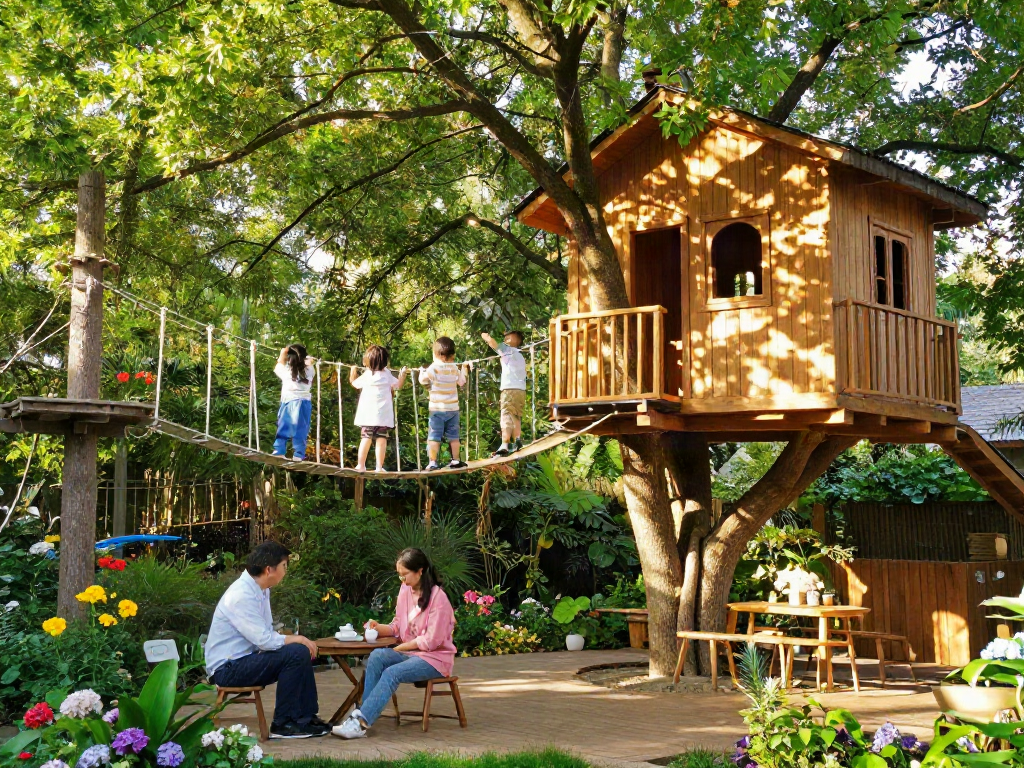
The allure of a tree house transcends mere childhood nostalgia. A tree house represents a unique lifestyle that harmonises with nature, fostering a deep connection to the outdoors. The tree house life encapsulates a philosophy that prioritises not just living among the trees, but embracing a lifestyle that promotes sustainability, adventure, and creativity. It signifies a shift in how we perceive our living spaces, encouraging us to step away from conventional homes and into a world where the branches cradle our dreams.
What is Tree House Life?
Tree house life is more than just a way of living; it is a movement towards eco-consciousness and innovative home design. It embodies the idea of building homes among trees, utilising their natural structures to create unique and elevated living spaces. These tree houses often serve multiple purposes: as residences, retreats, or even as rental properties in picturesque locations. The concept promotes a lifestyle that favours simplicity and connection with nature, enabling individuals or families to embrace a slower pace of life while enjoying the benefits of living harmoniously with the environment.
Benefits of Living Amongst Trees
- Enhanced Mental Well-Being: Living in proximity to nature has been shown to reduce stress and improve overall mental health. The tranquillity of a tree house nurtures relaxation and peace.
- Unique Aesthetic Appeal: Tree houses provide an opportunity for creative architectural designs, often flaunting stunning views and an unfiltered connection to nature that conventional homes lack.
- Sustainability: Building in trees generally requires less ground space, thereby preserving more land and reducing urban sprawl. The use of sustainable materials further enhances the eco-friendliness of tree house living.
- Adventure and Playfulness: Tree houses fuel a sense of adventure, not just for children but for everyone. They can transform weekends into whimsical escapes.
Tree House Life and Sustainability
Sustainability is a cornerstone of the tree house life philosophy. By integrating eco-friendly building practices, tree house builders can create structures that leave minimal environmental footprints. Many modern tree houses are designed to be self-sufficient, incorporating solar panels, rainwater harvesting systems, and composting toilets. The use of locally sourced and sustainable materials further reinforces this commitment to the environment. By opting for a tree house lifestyle, individuals not only enjoy the beauty and adventure of living among the trees but also contribute positively to the planet.
Designing Your Dream Tree House
Key Design Considerations for Tree Houses
Designing a tree house requires meticulous planning and consideration of various factors, including the type of trees being used, the weight of the materials, and the overall purpose of the structure. A well-designed tree house should blend seamlessly with its natural surroundings, enhancing the landscape rather than detracting from it. Additionally, considerations such as accessibility, safety, and the desired amenities must play a central role in the design process.
Materials and Eco-Friendly Building Practices
Choosing the right materials is crucial in tree house construction. Opt for high-quality, sustainable materials that can withstand the elements, such as reclaimed wood, bamboo, or eco-friendly composites. These materials are not only durable but also contribute to the overall aesthetic appeal of the tree house. Furthermore, employing green building practices—such as minimising waste, utilising recycled materials, and ensuring energy efficiency—can significantly reduce the carbon footprint of the tree house.
Integrating Nature into Your Design
To truly embrace the tree house life, it is essential to integrate nature into the design. Large windows, open-air balconies, and even living walls can create a seamless transition between the interior and the outdoor environment. Incorporating natural elements such as plants, trees, and water features enhances the connection to nature while providing a calming atmosphere. This integration can transform a simple tree house into a tranquil retreat that promotes relaxation and harmony with the natural world.
Building Your Tree House: A Step-by-Step Guide
Planning and Permitting Processes
Before embarking on the journey to build your tree house, it’s vital to understand the planning and permitting processes in your area. Many regions have specific regulations governing tree house constructions, especially if you plan to use it as a dwelling. Begin by researching local laws and zoning regulations, and consult with local authorities to ensure compliance. This step can save significant time and resources in the long run.
Essential Tools and Materials
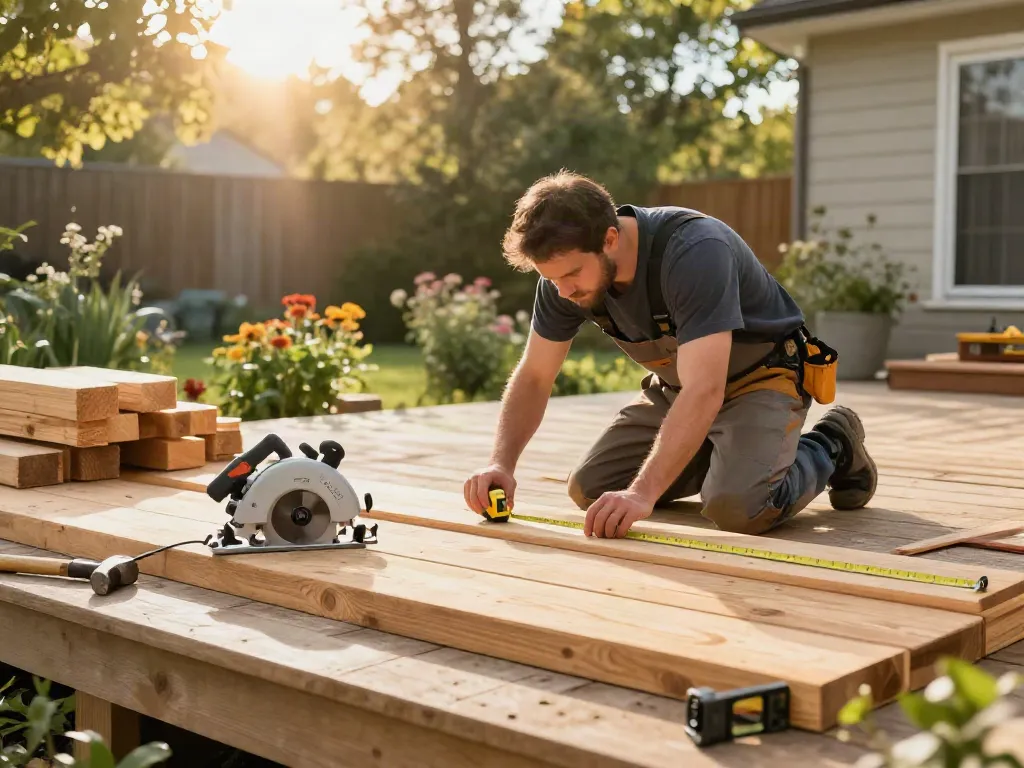
Having the right tools and materials at your disposal is crucial for the successful construction of your tree house. Essential tools may include a circular saw, drill, level, and measuring tape, while materials typically involve timber, screws, nails, and protective finishes. Proper planning in this phase can streamline the construction process and ensures safety while building.
Construction Tips for Success
When it comes to constructing your tree house, focus on safety and structural integrity first. Begin by creating a solid foundation, securely anchored to the trees. Use strong, durable materials that can withstand the weight and dynamic forces acting upon the structure. It is advisable to consult with a structural engineer or an experienced builder to ensure that your design is safe and sound.
Maintenance and Safety of Tree Houses
Regular Upkeep for Longevity
To ensure the longevity of your tree house, regular maintenance is essential. This includes inspecting the structure for signs of wear or damage, checking for rot, and treating wood surfaces to prevent insect infestations. Moreover, keeping the surrounding area clear of debris can protect the tree house from potential hazards and promote a safe living environment.
Safety Measures to Implement
Safety is paramount when it comes to tree houses. Ensure that all access points are secure and that railings are installed where necessary. Additionally, consider creating a checklist for regular safety inspections, looking for loose boards, unstable structures, or any other potential hazards. Educating family members about tree house safety—especially children—is crucial in fostering a safe environment.
FAQs about Tree House Maintenance
What are the costs associated with building a tree house?
The cost of building a tree house can vary significantly based on factors such as size, materials, location, and design complexity. On average, simple tree houses can range from £2,000 to £10,000, while more elaborate designs could exceed £20,000. It’s essential to create a realistic budget that takes into account all necessary components.
Can you live in a tree house full-time?
Living in a tree house full-time is certainly feasible, provided that it has been designed and constructed to meet local building codes and personal living requirements. Essential amenities such as water supply, waste disposal systems, and proper insulation should be considered for long-term habitation.
What are the best trees for building tree houses?
When selecting trees for building a tree house, choose species that are healthy, robust, and capable of supporting weight, such as oak, maple, or fir. Avoid trees with weak branches or those that are diseased, as these could compromise the safety of the structure.
How can tree houses be eco-friendly?
Tree houses can be eco-friendly by using sustainable materials, incorporating renewable energy sources, and designing for minimal land disruption. Additionally, promoting biodiversity by preserving existing flora and fauna within the vicinity of the tree house enhances its environmental impact.
What permits do I need for constructing a tree house?
Permits required for constructing a tree house vary by location. Typically, you may need a building permit, particularly if the tree house will be used as a primary residence. Always check with local authorities to ensure compliance with zoning and safety codes.
The Future of Tree House Living
Trends in Sustainable Tree Houses by 2026
The future of tree house living is set to evolve with increasing emphasis on sustainability and innovation. By 2026, we can expect to see more tree houses incorporating advanced green technologies, from solar panels to smart home systems, enhancing their self-sufficiency and eco-friendliness. Additionally, urban tree houses are likely to become popular as urban dwellers seek to reconnect with nature.
Innovative Designs and Concepts
Innovation in tree house design is bound to flourish, with an emphasis on modular and adaptable structures that can cater to changing needs and climates. Expect to see tree houses that utilise cutting-edge materials such as aircrete or hempcrete, which offer lightweight and insulating properties, making them ideal for tree-based habitats.
Community and Family Impact of Tree House Living
The impact of tree house living extends beyond individual families; it fosters stronger community ties and encourages an appreciation for nature. Tree houses can serve as communal spaces for gatherings, workshops, or educational activities that promote environmental stewardship. The shared experience of living among trees nurtures a sense of belonging and responsibility towards the environment.