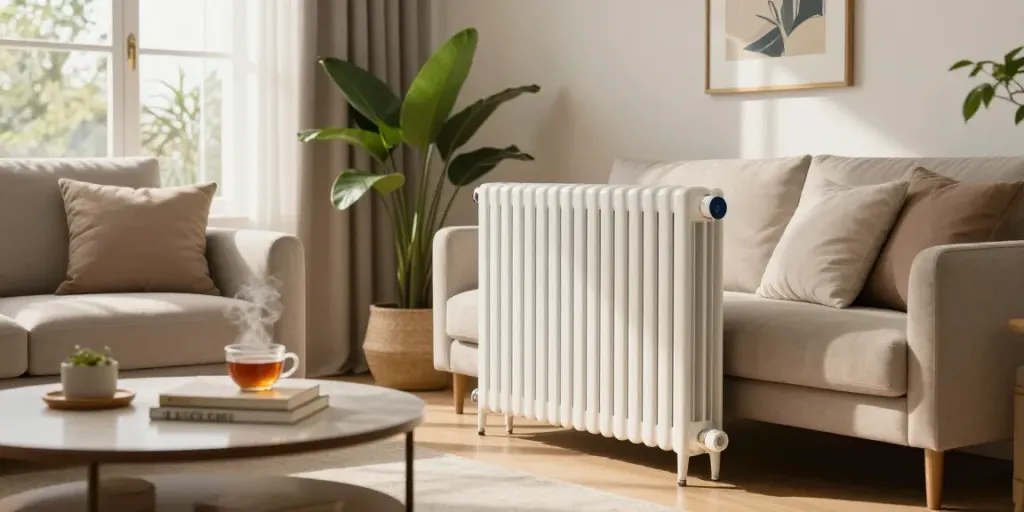
Understanding Ceramic Radiators
Ceramic radiators have emerged as a popular choice among modern heating solutions due to their superior energy efficiency and comfortable heat distribution. Unlike traditional electric heaters, ceramic core radiators utilize advanced heating technology that allows them to store and gradually release warmth, making them a more convenient option for homeowners. When exploring options, ceramic radiator systems offer not only efficiency but also a stylish addition to any room.
What is a Ceramic Core Radiator?
A ceramic core radiator is designed with a high-density ceramic stone at its core, which serves as a heat reservoir. When activated, these radiators absorb electricity and convert it into thermal energy, which is then released into the surrounding air. This mechanism enables ceramic radiators to continue providing warmth even after the heating unit has been turned off, thus ensuring a consistent temperature without excessive energy consumption.
How Do Ceramic Radiators Work?
The operation of ceramic radiators is grounded in the principles of resistive heating. When electrical current flows through a heating element made from ceramic or similar materials, it generates heat through resistance. This heat is then transferred to the ceramic core. The efficient thermal storage properties of ceramics allow for heat retention, enabling the radiator to deliver gentle warmth without abrupt temperature fluctuations.
Key Benefits of Using Ceramic Radiators
- Energy Efficiency: Ceramic radiators convert 100% of electricity into heat at the point of use, minimizing energy wastage.
- Quiet Operation: Most models operate silently, relying on natural convection to circulate warm air.
- Easy Installation: Many ceramic radiators are designed for plug-and-play setups, simplifying installation without the need for complex plumbing.
- Durability: The materials used in ceramic radiators contribute to their longevity, making them a sound investment in home heating.
Cost Analysis of Ceramic Radiators
Initial Purchase Costs Compared to Alternatives
The initial cost of a ceramic radiator may be higher than traditional electric heaters or oil-filled radiators. However, the long-term savings in energy consumption and maintenance can offset this initial investment. Homeowners often find that the efficiency and performance of ceramic radiators justify their upfront costs, particularly in regions facing colder climates.
Operating Costs: Are Ceramic Radiators Cheap to Run?
When assessing the operating costs of ceramic radiators, it's crucial to consider their efficiency in converting electricity into heat. On average, ceramic radiators are cheaper to run than oil-filled models due to their superior heat retention capabilities. Once charged, ceramic units can maintain warmth longer without needing to draw additional electricity, which translates to lower energy bills.
Long-term Savings with Ceramic Radiators
Investing in a ceramic radiator can lead to substantial long-term savings. The combination of reduced operating costs and increased longevity means that homeowners can enjoy efficient heating while minimizing maintenance and replacement expenses. Furthermore, as energy prices fluctuate, the stable energy consumption of ceramic radiators can provide additional financial predictability.
Selecting the Right Ceramic Radiator
Factors to Consider When Choosing a Model
Choosing the appropriate ceramic radiator involves several key considerations. Factors such as room size, insulation quality, and desired temperature play critical roles in determining the ideal model. Additionally, features like thermostatic controls, programmable settings, and energy efficiency ratings should be evaluated.
Sizing Your Ceramic Radiator for Optimal Performance
When selecting a ceramic radiator, it’s crucial to ensure that it is appropriately sized for the space you wish to heat. Common guidelines suggest that:
- Up to 6m²: around 400–600W
- 6–12m²: around 600–1,200W
- 12–20m²: around 1,200–2,000W
- 20–30m²: around 2,000–3,000W
However, room specifics such as ceiling height and external wall exposure can affect the actual performance.
Programmable Features for Energy Efficiency
Modern ceramic radiators often come equipped with programmable features that enhance energy efficiency. Timers and smart thermostats allow users to set heating schedules tailored to their daily routines. This ensures that energy is only consumed when needed, resulting in significant cost savings over time.
Installation and Safety Tips
Can You Install Ceramic Core Radiators Yourself?
Most ceramic core radiators are designed for easy installation, allowing homeowners to set them up without professional help. Plug-in models simply require access to a suitable socket, while hardwired options may require an electrician for safe installation. Always refer to the manufacturer’s guidelines to ensure compliance with safety standards.
Essential Safety Regulations to Follow
When installing ceramic radiators, it’s essential to adhere to local safety regulations. For hardwired units, compliance with electrical codes is mandatory, while all models should be positioned in accordance with the manufacturer's recommendations to avoid fire hazards or damage.
Best Practices for Mounting and Placement
To maximize efficiency and safety, consider the following best practices for radiator placement:
- Position near windows to counteract drafts.
- Avoid placing large furniture directly in front of the radiator.
- Follow the manufacturer's guidelines for recommended clearance.
- Ensure that rooms have adequate airflow for even heat distribution.
Comparing Ceramic Radiators to Other Heating Solutions
Ceramic Radiators vs. Oil-Filled Radiators
When comparing ceramic radiators to oil-filled options, several distinctions emerge. While both types convert electricity into heat, ceramic radiators generally heat up faster and retain warmth longer. In contrast, oil-filled models may take longer to reach optimal temperatures but can provide consistent warmth over extensive periods.
Ceramic vs. Convection Heaters: What to Know
Ceramic radiators differ from traditional convection heaters in their ability to provide radiant heat. While convection heaters rely primarily on circulating warm air, ceramic units emit warmth through both convection and radiant heat transfer, resulting in a more comfortable environment. This makes ceramic radiators particularly suitable for spaces where quiet and controlled heating is required.
Emerging Trends in Radiator Technology for 2026
As we venture further into 2026, several trends are emerging in radiator technology. Innovations include greater integration with smart home systems, enhanced energy efficiency through advanced materials, and improved user interfaces that allow for seamless control. Homeowners can expect more versatile and intelligent heating solutions that fit their lifestyles.